

Okay, so check this out—I’ve been messing with Solana wallets for years, and the browser-extension world still surprises me. Whoa!
My first instinct was simple: use the most popular extension and call it a day. But something felt off about that approach fast. Initially I thought popularity equals safety, but then I realized that social proof can be gamed pretty easily; on one hand install counts matter, though actually clicks and copycats matter too.
Here’s what bugs me about wallet extensions: they live in your browser, they manage keys, and they can be spoofed. Seriously?
Short version: browser wallets are convenient and they are powerful. They are also a prime target for phishing and malicious clones.
How I decide if an extension is legit
My method is messy, human, and practical. Really. I check the extension store listing details, the developer name, permissions requested, recent update cadence, and then I dig for community chatter. Hmm…
Check the reviews, but don’t worship them. Some reviews are fake. Some are legit. My instinct said: if releases stop for months, that’s a red flag. Actually, wait—let me rephrase that: silence can mean abandonment or it can mean stability; context matters.
One more tactic I use is to compare the extension’s source links to the official project site. If the extension listing points to somethin’ weird, close the tab. My gut has saved me more than once.
Phantom specifically — what to like and watch out for
Phantom is the de facto Solana wallet extension for many people in the US crypto scene. It integrates with marketplaces, supports NFTs, and it’s very smooth UI-wise. I like it; I’m biased, but the UX is solid.
That said, attackers clone popular wallets. Seriously, they do. So here’s the tradeoff: convenience vs. control. Phantom makes staking, SPL tokens, and NFTs easy, but ease of use also attracts nefarious actors.
On the technical side, Phantom stores keys in an encrypted local vault and prompts for signatures when you interact with dApps. That’s good. But permissions are everything—if an extension asks for broad access to all sites, pause and consider.
Where to download — a cautious recommendation
I prefer downloading extensions from official channels and verifying signatures when possible. My process: go to the project’s canonical site first, then follow their store link. That cuts risk. Wow!
If you want to check a mirror or an alternate hosting page, do it cautiously and verify hashes or community confirmation. I’m not 100% perfect at this, but these steps reduce exposure.
For a direct reference I encountered during research, see https://sites.google.com/cryptowalletextensionus.com/phantomwalletdownloadextension/ — treat it like any external source: verify it against the official Phantom channels before trusting it fully.
Practical security checklist before installing any wallet extension
Short checklist so you can act quickly:
- Verify the developer name and official website in the extension store.
- Review requested permissions—deny anything excessive.
- Check the update history and changelog for recent activity.
- Search social channels for reports of scams or cloned extensions.
- Keep a hardware-wallet habit for large holdings; browser wallets for day-to-day use.
Here’s a small anecdote. I once installed an extension that looked identical to a popular wallet. It had one extra permission that felt irrelevant. My instinct said no. I removed it and later found reports of a phishing campaign using that exact pattern. So yeah—trust your gut.
NFTs and browser wallets — what changes
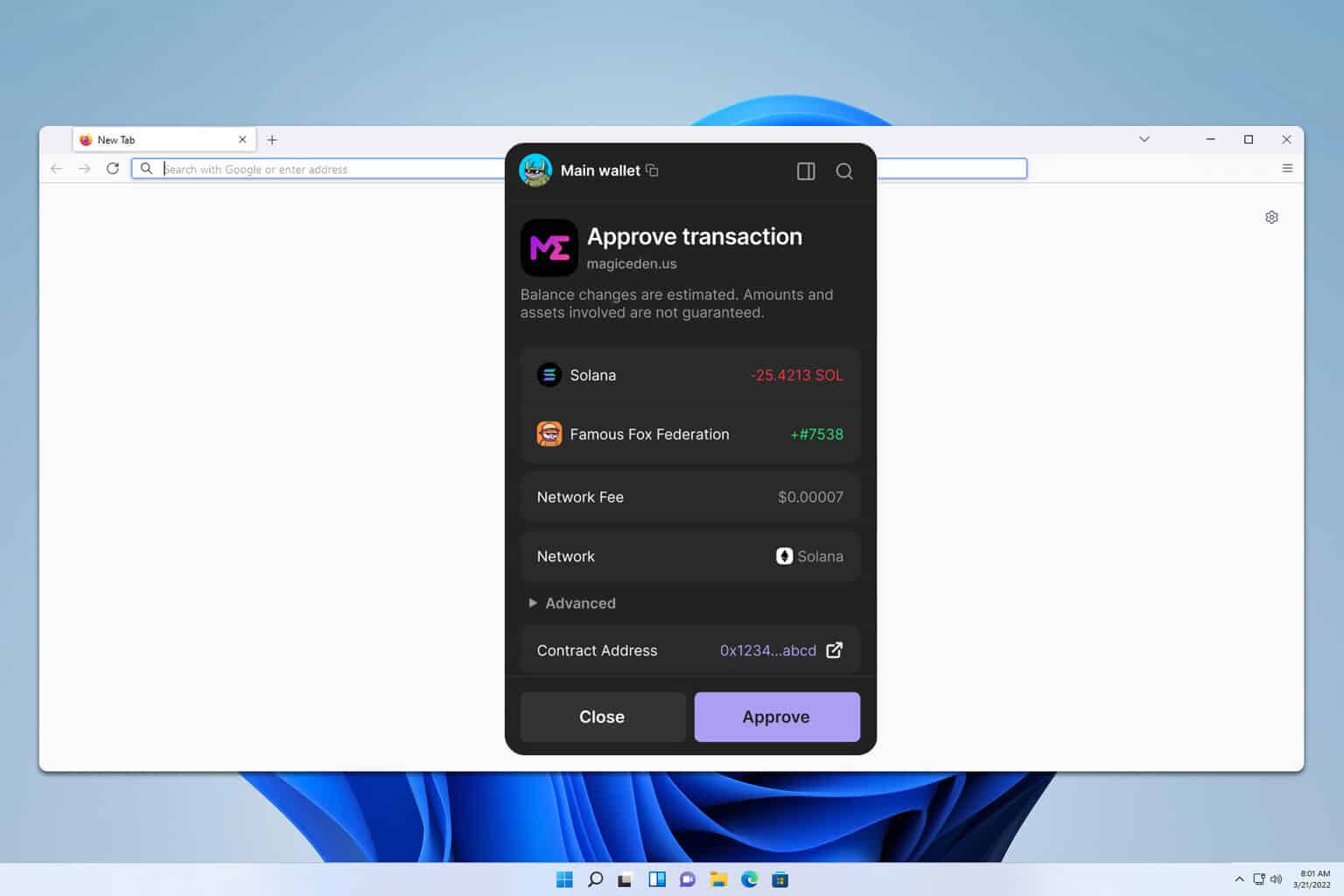
Buying, selling, and holding NFTs on Solana is easy with extension wallets, but NFTs introduce special risks: a malicious dApp can request approval to move tokens. That approval can be unlimited. Yikes.
So I avoid blanket approvals. Don’t give infinite spending rights. Instead, approve only what you need and revoke permissions when possible. I do this even though it’s a little annoying; it’s worth it.
Tools exist to audit token approvals on-chain; use them on occasion. (Oh, and by the way… keep track of which NFT collections you allow interactions with.)
When things go sideways
If you suspect an extension is compromised, here’s the core reaction: disconnect, revoke approvals, move assets (if you must), and change passwords. Calm down first—panic leads to mistakes.
Report the incident to the extension’s official channels and to the browser store. Document everything; screenshots help. I’m not a lawyer, but records help with any support or investigations.
Common questions folks ask me
Is a browser extension wallet safe for NFTs?
Yes, for small-to-medium interactions it’s convenient and generally fine if you follow the checklist above. For high-value NFTs, consider a hardware wallet or cold storage strategies.
How can I tell a fake extension from the real one?
Look at the publisher name, read the permissions, check the official website for direct links, and validate community posts. If somethin’ feels cheaply made or rushed, step away.
What if I already installed a malicious extension?
Immediately revoke approvals, remove the extension, and consider moving assets to a new wallet. Change passwords and watch for unusual activity. Then report it.
Alright — final thought. I’m optimistic about the Solana ecosystem, and Phantom (and similar extensions) make blockchain use approachable. Still, don’t skip basic vigilance. My instinct keeps nudging me to check twice, and honestly, that extra minute has saved my keys before.
Keep curious, keep cautious, and ask questions when something smells fishy.
