Analyse des performances des casinos en ligne avec tours gratuits pendant les pÃĐriodes creuses

Les casinos en ligne font face à des fluctuations saisonniÃĻres importantes. La pÃĐriode creuse, gÃĐnÃĐralement caractÃĐrisÃĐe par une baisse du nombre de joueurs et du volume de jeux, reprÃĐsente un dÃĐfi stratÃĐgique pour maintenir la rentabilitÃĐ et la fidÃĐlitÃĐ des clients. Une des stratÃĐgies ÃĐprouvÃĐes consiste à offrir des tours gratuits, qui non seulement attirent de nouveaux joueurs mais aussi encouragent la fidÃĐlitÃĐ des clients existants. Dans cet article, nous analyserons en dÃĐtail comment ces promotions influencent la performance globale des casinos en ligne pendant ces pÃĐriodes calmes, en s’appuyant sur des ÃĐtudes de cas, des analyses comportementales et des recommandations stratÃĐgiques.

Impact des tours gratuits sur la fidÃĐlisation des joueurs en pÃĐriode creuse
Comment les offres de tours gratuits renforcent la rÃĐtention client
Études de cas illustrant l’efficacitÃĐ des promotions en pÃĐriode calme
Analyse des comportements des joueurs face aux tours gratuits pendant les pÃĐriodes faibles
StratÃĐgies pour maximiser la fidÃĐlitÃĐ grÃĒce aux tours gratuits en basse saison
Optimisation des campagnes marketing pour promouvoir les tours gratuits en pÃĐriode creuse
Techniques ciblant des segments spÃĐcifiques de joueurs durant les mois creux
Utilisation de l’automatisation pour ajuster l’offre de tours gratuits en temps rÃĐel
Canaux de communication efficaces pour annoncer ces promotions pendant les pÃĐriodes creuses
Évaluation de la rentabilitÃĐ des tours gratuits durant les pÃĐriodes de faible activitÃĐ
IntÃĐgration des tours gratuits dans la stratÃĐgie globale de gestion de la saisonnalitÃĐ

Comment les offres de tours gratuits renforcent la rÃĐtention client

Les tours gratuits sont un levier puissant pour encourager la fidÃĐlitÃĐ des joueurs, en particulier durant les pÃĐriodes creuses. Selon une ÃĐtude menÃĐe par l’Observatoire des Jeux en 2022, 65% des joueurs dÃĐclarent qu’une offre de tours gratuits influence positivement leur fidÃĐlitÃĐ Ã  un casino en ligne. En effet, ces offres diminuent la barriÃĻre à l’entrÃĐe pour tester de nouvelles machines à sous ou jeux de hasard sans risque financier immÃĐdiat, crÃĐant ainsi une expÃĐrience plus engageante.

ConcrÃĻtement, les tours gratuits augmentent le temps passÃĐ sur la plateforme et encouragent la dÃĐcouverte de nouveaux jeux, renforçant la dÃĐpendance ludique de façon contrÃīlÃĐe. Plusieurs casinos ont observÃĐ une hausse de 20 à 35% de leurs taux de rÃĐtention durant les campagnes proposant des tours gratuits en basse saison. La clÃĐ rÃĐside dans la perception de valeur que le joueur tire de ces promotions, renforcÃĐe par un sentiment d’attention personnalisÃĐe.

Études de cas illustrant l’efficacitÃĐ des promotions en pÃĐriode calme

Un exemple notable est celui d’un opÃĐrateur europÃĐen qui, durant l’hiver 2022, a lancÃĐ une campagne de tours gratuits ciblant spÃĐcifiquement les joueurs saisonniers. RÃĐsultat : une augmentation de 45% du volume de jeux et une amÃĐlioration de la fidÃĐlitÃĐ mesurÃĐe par le taux de retour des joueurs ayant bÃĐnÃĐficiÃĐ de ces offres. Par ailleurs, une analyse comparative a montrÃĐ que ces joueurs maintenaient un comportement de jeu plus stable dans le temps, illustrant l’impact positif sur la fidÃĐlitÃĐ Ã  long terme.

Analyse des comportements des joueurs face aux tours gratuits pendant les pÃĐriodes faibles

Les recherches comportementales indiquent que les joueurs, face à des tours gratuits, tendent à rÃĐduire leur perception du risque associÃĐ au jeu, ce qui les incite à explorer davantage. Cependant, leur engagement dÃĐpend aussi de leur expÃĐrience initiale : une offre bien ciblÃĐe, accompagnÃĐe d’une communication claire, augmente la probabilitÃĐ qu’ils deviennent des clients rÃĐguliers.

Par exemple, une ÃĐtude de 2023 montre que les joueurs qui utilisent des tours gratuits lors de pÃĐriodes creuses ont 30% plus de probabilitÃĐ de continuer à jouer activement aprÃĻs la fin de la promotion. Cela souligne l’importance de l’expÃĐrience utilisateur lors de ces campagnes.

StratÃĐgies pour maximiser la fidÃĐlitÃĐ grÃĒce aux tours gratuits en basse saison

  • Segmenter la base de joueurs pour cibler ceux susceptibles d’Être rÃĐceptifs aux offres de tours gratuits.
  • Proposer des tours gratuits en complÃĐment d’autres incentives, comme des bonus de dÃĐpÃīt ou des programmes de fidÃĐlitÃĐ.
  • Utiliser des communications personnalisÃĐes pour renforcer la relation et encourager l’utilisation des tours gratuits.
  • IntÃĐgrer un suivi analytique pour ajuster rapidement l’offre en fonction des comportements observÃĐs.

Optimisation des campagnes marketing pour promouvoir les tours gratuits en pÃĐriode creuse

Techniques ciblant des segments spÃĐcifiques de joueurs durant les mois creux

Une stratÃĐgie efficace consiste à segmenter la clientÃĻle selon leur historique de jeu, leur engagement et leur potentiel d’ÃĐvolution. Par exemple, les joueurs occasionnels ou inactifs peuvent recevoir des offres de tours gratuits pour rÃĐactiver leur engagement, tandis que les joueurs rÃĐguliers peuvent bÃĐnÃĐficier de tournois exclusifs ou de crÃĐdits supplÃĐmentaires.

Utilisation de l’automatisation pour ajuster l’offre de tours gratuits en temps rÃĐel

Les outils d’automatisation permettent de moduler en temps rÃĐel le volume et la nature des tours gratuits en fonction des indicateurs de performance. Par exemple, lors d’une baisse notable d’activitÃĐ, un systÃĻme automatisÃĐ peut envoyer des notifications ciblÃĐes avec des offres spÃĐciales, telles que des tours gratuits, pour relancer l’intÃĐrÊt.

Canaux de communication efficaces pour annoncer ces promotions pendant les pÃĐriodes creuses

  • Email marketing ciblÃĐ, avec des messages personnalisÃĐs soulignant la valeur des tours gratuits.
  • Notification via l’application mobile ou le site web, pour une visibilitÃĐ immÃĐdiate.
  • RÃĐseaux sociaux pour atteindre une audience plus large, en exploitant la viralitÃĐ de l’offre.
  • Campagnes publicitaires PPC (pay-per-click) pour toucher de nouveaux segments potentiels.

Évaluation de la rentabilitÃĐ des tours gratuits durant les pÃĐriodes de faible activitÃĐ

L’analyse ÃĐconomique montre que, bien que les tours gratuits aient un coÃŧt immÃĐdiat pour le casino, leur impact sur la fidÃĐlisation et l’augmentation du volume de jeu peut gÃĐnÃĐrer une rentabilitÃĐ Ã  moyen et long terme. Une ÃĐtude interne d’une plateforme europÃĐenne a rÃĐvÃĐlÃĐ que le coÃŧt d’acquisition d’un joueur via tours gratuits ÃĐtait infÃĐrieur de 15% à celui via d’autres canaux d’acquisition payants.

Pour une ÃĐvaluation prÃĐcise, il est conseillÃĐ d’ÃĐtablir un tableau de bord intÃĐgrant les indicateurs clÃĐs : coÃŧt des promotions, taux de conversion en joueurs actifs, volume de jeux gÃĐnÃĐrÃĐ post-offre, et valeur à vie du client. Une gestion efficace permet ainsi de maximiser le retour sur investissement.

IntÃĐgration des tours gratuits dans la stratÃĐgie globale de gestion de la saisonnalitÃĐ

Les tours gratuits doivent faire partie intÃĐgrante d’une stratÃĐgie globale de gestion de la saisonnalitÃĐ. En planifiant ces campagnes en amont, en les intÃĐgrant dans la crÃĐation de valeur sur le long terme et en les modulant selon les pÃĐriodes, les opÃĐrateurs peuvent attÃĐnuer leurs effets nÃĐgatifs lors des creux et maximiser leur impact lors des pics.

Une approche stratÃĐgique consiste à utiliser les tours gratuits comme un outil de fidÃĐlisation continue, en les combinant avec des programmes de rÃĐcompense et des ÃĐvÃĐnements spÃĐciaux saisonniers. Ce faisant, les casinos peuvent transformer des pÃĐriodes traditionnellement faibles en opportunitÃĐs pour renforcer leur base client et amÃĐliorer leur rentabilitÃĐ globale. Pour en savoir plus sur ces stratÃĐgies, vous pouvez consulter ce site : http://baloobetcasino.fr.

ÂŦ La maÃŪtrise des promotions en pÃĐriode creuse, notamment les tours gratuits, est la clÃĐ pour assurer une croissance stable et durable dans l’industrie des casinos en ligne. Âŧ

777 GrÞnde fÞr Spannung entdecken – Dein Lemon Casino de Erlebnis fÞr maximale Unterhaltung

Goldene Chance: Sichere dir mit deinem lemon casino login exklusive Boni und erlebe Nervenkitzel pur beim Spielen!

Der Einstieg in die Welt der Online-Casinos kann aufregend sein, besonders wenn man auf der Suche nach attraktiven Boni und einer vielfÃĪltigen Spieleauswahl ist. Viele Spieler suchen nach einer sicheren und zuverlÃĪssigen Plattform, die ihnen ein erstklassiges Spielerlebnis bietet. Mit deinem persÃķnlichen lemon casino loginerÃķffnen sich exklusive MÃķglichkeiten und ein Zugang zu einer spannenden Welt des GlÞcksspiels. Die Anmeldung ist lemon casino login oft unkompliziert und schnell vonstatten, sodass du im Handumdrehen deine Lieblingsspiele ausprobieren kannst.

Die Vorteile eines Kontos bei einem Online-Casino

Ein Konto bei einem Online-Casino zu erÃķffnen, bringt zahlreiche Vorteile mit sich. Neben der MÃķglichkeit, jederzeit und von Þberall aus spielen zu kÃķnnen, locken attraktive Bonusangebote und Treueprogramme. Diese kÃķnnen deine Gewinnchancen erheblich erhÃķhen und das Spielerlebnis noch spannender gestalten. Die meisten seriÃķsen Online-Casinos bieten eine breite Palette an Zahlungsmethoden an, sodass du problemlos Ein- und Auszahlungen vornehmen kannst.

Ein weiterer wichtiger Vorteil ist die große Auswahl an Spielen. Von klassischen Spielautomaten Þber Tischspiele wie Roulette und Blackjack bis hin zu Live-Casino-Angeboten ist fÞr jeden Geschmack etwas dabei. Die modernen Online-Casinos legen großen Wert auf Sicherheit und Fairness, weshalb sie mit fortschrittlichen VerschlÞsselungstechnologien arbeiten und regelmÃĪßig von unabhÃĪngigen PrÞfstellen kontrolliert werden.

Vorteil Beschreibung
FlexibilitÃĪt Spielen von Þberall und jederzeit.
Bonusangebote Attraktive Boni zur Steigerung der Gewinnchancen.
Spieleauswahl Große Vielfalt an Spielen fÞr jeden Geschmack.
Sicherheit Fortschrittliche VerschlÞsselungstechnologien und regelmÃĪßige PrÞfungen.

Sichere Anmeldung und Kontoverifizierung

Bei der Anmeldung in einem Online-Casino ist es wichtig, auf die Sicherheit deiner persÃķnlichen Daten zu achten. WÃĪhle ein Casino mit einer gÞltigen GlÞcksspiellizenz und einer sicheren Datenverbindung. Verwende ein starkes Passwort und gib deine Daten niemals an Dritte weiter. Viele Casinos bieten auch die Zwei-Faktor-Authentifizierung an, die zusÃĪtzlichen Schutz bietet.

Nach der Anmeldung musst du in der Regel dein Konto verifizieren, bevor du Einzahlungen vornehmen und Gewinne auszahlen kannst. Dies dient der Verhinderung von GeldwÃĪsche und Betrug. Die Verifizierung erfolgt in der Regel durch das Hochladen von Ausweiskopien und Adressnachweisen. Ein seriÃķses Casino wird diesen Prozess transparent gestalten und deine Daten vertraulich behandeln.

Die Bedeutung der Lizenzierung

Die Lizenzierung eines Online-Casinos ist ein entscheidendes Kriterium fÞr dessen SeriositÃĪt. Eine gÞltige Lizenz garantiert, dass das Casino bestimmte Standards erfÞllt und regelmÃĪßigen Kontrollen unterliegt. Diese Kontrollen beziehen sich auf die Fairness der Spiele, den Schutz der Spielerdaten und die finanzielle StabilitÃĪt des Casinos. Achte daher immer darauf, dass das Casino, bei dem du dich anmeldest, Þber eine anerkannte Lizenz verfÞgt. Eine unlizenzierte Plattform birgt erhebliche Risiken und sollte gemieden werden.

Die lizenzierten Casinobetreiber sind verpflichtet die Spieler zu schÞtzen und verantwortungsbewusstes Spielen zu fÃķrdern. Sie bieten oft Tools zur SelbstbeschrÃĪnkung an, wie beispielsweise Einsatzlimits und SelbstausschlÞsse. Ein verantwortungsvoller Umgang mit GlÞcksspielen ist unerlÃĪsslich, um negative Folgen zu vermeiden. Im besten Fall verhelfen dir ein lemon casino login und all die Tools zu einem umstandsbedingten Vorteil.

  • ÜberprÞfe immer die GÞltigkeit der Lizenz.
  • Achte auf Datenschutzrichtlinien und VerschlÞsselungstechnologien.
  • Nutze die angebotenen Tools zur SelbstbeschrÃĪnkung.

Bonusangebote und Umsatzbedingungen

Bonusangebote sind ein wichtiger Anreiz fÞr viele Spieler, sich fÞr ein Online-Casino zu entscheiden. Es gibt verschiedene Arten von Boni, wie beispielsweise Willkommensboni, Einzahlungsboni, Freispiele und Cashback-Aktionen. Jeder Bonus ist jedoch an bestimmte Umsatzbedingungen geknÞpft, die erfÞllt werden mÞssen, bevor du Gewinne auszahlen kannst.

Die Umsatzbedingungen legen fest, wie oft du den Bonusbetrag umsetzen musst, bevor du ihn in echtes Geld umwandeln kannst. Achte auch auf weitere Bedingungen, wie beispielsweise die maximale EinsatzhÃķhe und die gÞltigen Spiele. Es ist ratsam, die Umsatzbedingungen sorgfÃĪltig zu lesen, bevor du einen Bonus annimmst, um MissverstÃĪndnisse zu vermeiden.

Strategien fÞr die Nutzung von Boni

Um Bonusangebote optimal zu nutzen, solltest du dir im Voraus eine Strategie Þberlegen. WÃĪhle Boni mit fairen Umsatzbedingungen und achte darauf, dass die gÞltigen Spiele deinen Vorlieben entsprechen. Setze dir ein realistisches Budget und spiele verantwortungsbewusst. Es kann auch sinnvoll sein, verschiedene Boni zu vergleichen, um das beste Angebot zu finden. Durch das Ausnutzen von Bonusangeboten kannst du deine Gewinnchancen erhÃķhen und das Spielerlebnis verlÃĪngern.

Viele Casinos bieten auch regelmÃĪßige Bonusaktionen fÞr bestehende Kunden an. Informiere dich Þber die aktuellen Angebote und nutze sie, um dein Spielguthaben aufzubessern. Ein guter Ansatz ist es, die Freispiele fÞr beliebte Spielautomaten zu verwenden und die Einzahlungsboni fÞr Tischspiele oder Live-Casino-Angebote zu nutzen.

  1. Lies die Umsatzbedingungen sorgfÃĪltig durch.
  2. WÃĪhle Boni mit fairen Bedingungen und passenden Spielen.
  3. Setze dir ein realistisches Budget.
  4. Nutze regelmÃĪßige Bonusaktionen.

Verantwortungsbewusstes Spielen und Hilfsangebote

GlÞcksspiele kÃķnnen sÞchtig machen, daher ist es wichtig, verantwortungsbewusst zu spielen. Setze dir ein Budget und halte dich daran. Spiele nicht mit Geld, das du fÞr andere Zwecke benÃķtigst. Mache regelmÃĪßig Pausen und Þberfordere dich nicht. Wenn du das GefÞhl hast, die Kontrolle zu verlieren, suche dir Hilfe.

Es gibt zahlreiche Hilfsangebote fÞr SpielsÞchtige, wie beispielsweise Beratungsstellen, Selbsthilfegruppen und Sperrdienste. Viele Online-Casinos bieten auch Tools zur SelbstbeschrÃĪnkung an, wie beispielsweise Einsatzlimits und SelbstausschlÞsse. Nutze diese Angebote, um dein Spielverhalten zu kontrollieren und negative Folgen zu vermeiden. Ein lemon casino login sollte immer mit einem Fokus auf Spaß und Kontrolle verbunden sein.

Es ist wichtig zu erkennen, dass GlÞcksspiele eine Form der Unterhaltung sein sollten und nicht als Mittel zum Geldverdienen angesehen werden dÞrfen. Spiele verantwortungsbewusst und genieße die Spannung und den Nervenkitzel, ohne dich zu Þberfordern oder dein Leben zu gefÃĪhrden. Der SchlÞssel zu einem positiven Spielerlebnis liegt in der Selbstbeherrschung und der bewussten Entscheidung, verantwortungsbewusst zu handeln.

Getting Into CitiDirect: A practical guide for business users

Whoa! Seriously? Logging into a corporate banking portal can feel like walking through airport security — everyone’s watching and one small mistake can slow things down. My instinct said this would be straightforward. But then I spent an hour on hold with IT and realized somethin’ else: corporate logins hide a lot of little traps that trip up even seasoned treasury folks. I’m biased, but having worked around corporate treasury teams and online banking rollouts, I’ve seen the same issues crop up coast to coast — onboarding wrinkles, certificate problems, and the occasional “I lost my token” panic.

First things first: if your company uses CitiDirect, you should know there are two parallel things happening when you log in. One is authentication — proving who you are. The other is authorization — what you’re allowed to do once you’re in. They’re related, but not the same. On one hand, multi-factor authentication (MFA) is the backbone of the process. On the other hand, permissioning is where workflows get messy. Initially I thought they’d be solved once you had the right token. Actually, wait—let me rephrase that: tokens solve identity, but permissions live in a different admin plane and often require an admin to change them.

Here’s a short checklist to get you from anxious to effective on day one. Keep it handy. Update it. Share it with your CFO. 1) Confirm your user ID and the exact environment URL from treasury ops — test vs production matter. 2) Make sure your hardware token or soft OTP app is provisioned and tested. 3) Have a backup admin contact who can reset your access. 4) Note the browser and OS combinations that are supported — some older browsers throw tantrums. These are mundane steps but very very important.

Okay, so check this out—when you click the CitiDirect login link you might be prompted for additional certs or for a webauthn prompt if your firm uses device-based trust. Hmm… that can surprise users who only know usernames and passwords. If your machine asks for a certificate, pause and call your internal help desk. Do not try random fixes (oh, and by the way, don’t disable security prompts unless you know what you’re doing).

Laptop screen showing corporate banking login with a token device beside it

Common issues and how to fix them

Slow network? That’s an easy one: a flaky VPN or proxy often breaks sessions mid-login. Try reconnecting without the VPN if your policy allows. Short sessions are caused by cookies or blocked third-party scripts. Longer thought: sometimes corporate firewalls inspect TLS in a way that interferes with secure session handshakes — you’ll need an exception for the CitiDirect domain at the network perimeter, which someone in IT must add. Wow!

Token problems are almost always user-side. Tokens expire, apps mis-sync, and people forget PINs. If your token shows a sequence mismatch, re-sync it through the admin console or follow vendor steps for OTP sync. If you use a soft token app and get a “device not recognized” error, check whether your admin configured device registration. On one hand device registration prevents fraud; on the other, it adds friction. That friction is annoying — it bugs me.

Browser compatibility surprises a lot of people. CitiDirect traditionally supports specific versions of Chrome, Edge, and Safari. If your browser is corporate-locked to an older build, you may see layout issues or JavaScript failures. Clear the cache. Try an alternate supported browser. If still stuck, capture the console errors and send them to support — that log is gold for resolving the problem.

There’s also the dreaded permission gap. You can log in successfully but can’t initiate payments, or you can see balances but not statements. This isn’t a login failure per se. It’s an authorization configuration. The quick fix is to escalate to the corporate admin who manages CitiDirect roles. They can adjust role templates and entitlements. If your company is large, there’ll be a chain: business approver → security admin → bank admin. Expect some back-and-forth.

Really? Certificates and tokens again. Yes. And sometimes certificate chains on servers are misconfigured, causing browsers to reject the site. When that happens, your browser will show a certificate warning. Do not bypass it. Instead, report it and let the bank or your IT fix the chain. This keeps things secure and avoids man-in-the-middle risks. I’m not 100% sure why some organizations skip regular cert checks, but they do… and that’s a risk.

Best practices for secure, reliable access

Use only approved devices. Period. Personal machines can be fine for low-risk tasks, but for payment initiation you want a hardened, monitored device. Maintain up-to-date browsers and OS patches. Use a password manager for your corporate credentials if allowed. Seriously — password reuse is the single biggest avoidable risk I see, aside from social-engineering attacks where someone gets an admin to reset a password over a phone call.

Enable MFA, obviously. But also register a backup method: a secondary token, an alternate admin contact, or an emergency access account that’s tightly monitored. On the process side, document your provisioning flow so new hires can get access without a day of delays. Train approvers on their role — approvals without context lead to over-permissioning, which in turn increases risk.

If you’re rolling out CitiDirect or migrating users, pilot with a small group first. Watch how real users interact, and note the friction points. Iterate. Some firms assume treasury pros will adapt instantly. In practice, they need a checklist, a short video, and a clear escalation path for exceptions. That incremental approach reduces support load and keeps operations humming.

For anyone setting up links or bookmarks, use the canonical login URL your bank provides. A quick tip: bookmark the exact URL and label it “CitiDirect Login (Corp)” in your browser. Don’t save passwords in shared documents or plain text. And for your remote team, include the corporate help desk number in the bookmark title — yes, silly, but it saves time during outages. Hmm… small details matter.

If you want step-by-step vendor guidance or quick access to the official login site, use this resource: https://sites.google.com/bankonlinelogin.com/citidirect-login/. It’s handy when you need the canonical sign-in link or basic troubleshooting steps. Beware of lookalike pages and phishing attempts — always verify the domain before entering credentials.

FAQ

Q: I can’t log in after migrating devices. What should I do?

A: Start by confirming device registration and token provisioning. If your token was tied to the old device, ask your admin to deprovision and reprovision a new token. Clear browser cache, try a supported browser, and if that fails, capture screenshots and send them with timestamps to your support team.

Q: I get a certificate error. Can I bypass it?

A: No. Do not bypass. That warning signals a TLS trust issue. Report it to your bank and your IT immediately. They’ll check certificate chains and update trust stores where necessary. Bypassing undermines security.

Q: Payments fail after login but other features work. Why?

A: That’s an authorization or limits issue. Check your user role and transaction entitlements. If payments require dual control, ensure approvers are set up. Also verify daily or transaction limits; those are often enforced at the bank level.

Why the Browser Wallet Matters: DeFi Protocols, Trading Integration, and Advanced Features That Actually Help Traders

Wow!

DeFi used to feel like a lab experiment. It was slow, messy, and full of edge cases that only nerds loved. Now it’s maturing in ways that surprise me—sometimes pleasantly, sometimes not. Initially I thought browser wallets were just convenience tools, but then I watched an order routing failure cost a small fund thousands, and my whole perspective shifted.

Whoa! Seriously?

Okay, so check this out—trading in DeFi isn’t only about swaps anymore. There’s a whole class of advanced features emerging: limit and stop orders executed on-chain, position margining, algorithmic TWAPs, batched transactions for gas savings, and cross-chain liquidity routing that tries to mimic institutional desks, though actually the UX still lags. My instinct said the UI would catch up fast, but the backend complexities kept tripping teams up.

Here’s what bugs me about a lot of browser integrations. They promise seamless trading, but they hide friction points—slippage, failed nonce handling, poor gas estimation—and then punt blame to the user. I’m biased, but I think wallet UX should surface these risks clearly. Users need clear pre-trade summaries, not magic numbers that change five seconds later.

Screenshot concept: a browser wallet showing an order confirmation with advanced options like limit, stop, and slippage control

A realistic look at advanced trading features in wallets

I’ll be honest: I love the idea of on-chain limit orders. They let retail traders set strategies without babysitting. But builders face a trade-off between custody, execution guarantees, and gas costs. On one hand, fully on-chain orders increase transparency and composability; on the other hand, they can be prohibitively expensive or slow in high congestion windows. Actually, wait—let me rephrase that: some hybrid models, where the wallet signs off orders that are executed by relayers or smart-execution agents, hit a sweet spot for latency and cost.

Here’s the practical bit—if you want integrated trading that feels like a modern exchange, look for wallets that support transaction batching, order routing across multiple DEXs, and MEV-aware execution paths. These capabilities matter when markets wobble. Something felt off about routing that only used one AMM; aggregators that tap multiple liquidity pools consistently get better fills, though fees and bridge risks add complexity.

Hmm… many traders also need features like conditional execution (stop-loss, trailing stops) and partial fills. Those sound simple, but supporting them on-chain requires nuanced nonce management and reorg handling. I’ve seen implementations that double-spend gas unintentionally, and it’s painful.

One more note on security: browser extensions are convenient, but they must be hard on exploits. Click-to-approve flows are good, but confirm prompts that explain the exact on-chain consequences are better. Users should see not just token amounts, but also what smart contracts will do with their funds—approve forever, transfer, stake, whatever. I’m not 100% sure every wallet gets this right yet; many do, many don’t.

Okay—if you’re using a browser extension and you care about trading integration with an ecosystem like OKX, choose one that balances UX with technical safeguards. The okx extension is an example that aims for that balance, integrating trading flows into the browser while giving users familiar controls. It isn’t perfect, but it’s a practical starting point for traders who want closer ties to the OKX stack.

My working rule: test with small amounts first. Seriously. Try limit orders, check how cancellations behave under load, and see how the extension handles chain congestion. If you can, test in a remote browser profile so your main seed phrase isn’t at risk—yes, that sounds paranoid, but it’s smart. Also, keep an eye on nonce errors and mempool visibility; those little cues tell you when the wallet’s execution model is brittle.

On the protocol side, DeFi composability means your wallet’s choices ripple through your trades. For example, an aggregator that prioritizes cheapest gas might route through a chain with illiquid pools, causing slippage. Conversely, one that prioritizes best price might fragment execution across chains, introducing bridge counterparty risk. On one hand you want the best price, though actually you also want certainty and minimal tail risk.

Trading automation is another frontier. Embedding strategies like TWAP or DCA into the wallet makes life easier for retail. But automation needs guardrails—rate limits, automated pause-on-volatility, and transparent fee accounting. I remember watching a bot run amok after a reorg; the bot executed repeated orders because it didn’t handle partial confirmations. It’s the kind of edge-case that teaches painful lessons.

Quick tangent (oh, and by the way…)—developer tooling matters. If the extension exposes a clean RPC for safe simulations, and if it integrates with block explorers for transaction proofs, devs and traders both win. These are the building blocks for institutional-grade integrations in browser contexts.

Common questions traders ask

Can browser extensions handle advanced order types reliably?

Yes, but with caveats. They can support limit, stop, and more complex conditional orders, often via relayers or smart-contract automation. Reliability depends on how execution is handled—pure on-chain orders are more transparent, while hybrid relayer models can be faster and cheaper but introduce counterparty dependence. Test flows with small funds and watch for nonce and mempool behaviors.

How should I think about cross-chain routing and liquidity?

Cross-chain routing helps find liquidity, but it also adds bridge and settlement risk. Aggregators can split orders to get better prices, though that increases complexity. My approach is simple: prioritize routes with on-chain proofs and trusted relayer models, and avoid shoving everything through novelty bridges without audits. Always factor in both price and execution reliability.

Final thought: the gap between CEX-like trading and DeFi on-chain execution is narrowing. It won’t be seamless overnight. There will be failed txs, weird UX, and very very frustrating moments. But the momentum is real—browser extensions that integrate trading, signature-safe flows, and thoughtful automation will be the workspace where most active traders live. I’m watching these spaces closely, with a cup of coffee in hand, and somethin’ tells me the next six months will bring some surprising improvements.

Die Online-Casino-Industrie hat in den letzten Jahrzehnten eine beeindruckende Entwicklung durchlauf

EinfÞhrung: Der digitale Wandel im GlÞcksspielsektor

Die Online-Casino-Industrie hat in den letzten Jahrzehnten eine beeindruckende Entwicklung durchlaufen. Von den bescheidenen AnfÃĪngen in den frÞhen 2000er Jahren bis hin zu hochentwickelten, lizenzierten Plattformen, die weltweit Millionen von Spielern anziehen, spiegelt die Branche einen tiefgreifenden technologischen und regulatorischen Wandel wider. Diese Evolution ist eng verbunden mit den Fortschritten in der Internettechnologie, der EinfÞhrung moderner Sicherheitssysteme und der zunehmenden Akzeptanz innerhalb der Gesellschaft.

Technologische Innovationen: Vom einfachen Zufallszahlengenerator zur Virtual Reality

Innovationen haben die Spielmechanik, das Nutzererlebnis und die Sicherheit des Online-GlÞcksspiels maßgeblich geprÃĪgt. Heutzutage setzen fÞhrende Plattformen auf fortschrittliche Technologien wie kÞnstliche Intelligenz (KI), um personalisierte Spielerlebnisse zu schaffen, und blockchain, um Transparenz und Betrugssicherheit zu erhÃķhen. Besonders spannend ist der Einsatz von Virtual Reality (VR) und Augmented Reality (AR), die das Online-Casino-Erlebnis in eine immersive Welt verwandeln.

Ein Beispiel fÞr innovative SpielmÃķglichkeiten ist gates-of-olympus1000.de, das eine Vielzahl von KryptowÃĪhrungs- und klassischen Casinospielen in einem modernen Interface anbietet. Das Projekt zeigt, wie Gaming-Plattformen ihre technische Infrastruktur kontinuierlich verbessern, um eine vertrauenswÞrdige und ansprechende Umgebung zu schaffen.

Regulierung und Rechtssicherheit: Eine Herausforderung fÞr die Branche

Mit dem Wachstum des Online-GlÞcksspiels wÃĪchst auch die Bedeutung regulatorischer Rahmenbedingungen. Ein ausgewogenes VerhÃĪltnis zwischen Verbraucherschutz, GlÞcksspielprÃĪvention und Marktfreiheit ist notwendig, um das Vertrauen der Nutzer zu sichern. In Deutschland hat die Gesetzgebung im Jahr 2021 mit der GlÞcksspielneuregulierung (GlÞNeuRStV) eine bedeutende Rolle gespielt, um den Markt zu zentralisieren und illegale Anbieter wirksam zu bekÃĪmpfen.

Plattformen wie online casino de (wie in dem verlinkten Beispiel) stehen fÞr eine vertrauenswÞrdige Navigation durch die gesetzlichen Anforderungen. Diese Webseiten sind in der Regel von deutschen BehÃķrden anerkannt und bieten transparentes Spiel- und Zahlungsmanagement. Die Akzeptanz dieser Plattformen hÃĪngt maßgeblich davon ab, wie gut sie regulatorische Vorgaben umsetzen und gleichzeitig innovative Spielerlebnisse schaffen.

Marktdaten und Trends: Eine Branche im Wandel

Hier eine kurze Übersicht wichtiger Daten, die den Status quo und zukÞnftige Entwicklungen beleuchten:

Jahr Marktvolumen (Mrd. ₮) Wachstumsrate Wichtige Trends
2021 44,3 8,2% Mobile Gaming, Live-Dealer, KryptowÃĪhrungen
2022 48,7 10,0% VR-Integration, KI-gestÞtzte Personalisierung
2023 (Prognose) 55,2 13,3% Dezentrale Plattformen, Regulierungsharmonisierung

Ausblick: Nachhaltigkeit, Innovation und globale WettbewerbsfÃĪhigkeit

In der Zukunft wird die Branche vor mehreren Herausforderungen stehen, darunter die Notwendigkeit, verantwortungsvolles Spielen zu fÃķrdern, Datenschutz zu gewÃĪhrleisten und gleichzeitig technologische Innovationen zu integrieren. Die Zusammenarbeit zwischen RegulierungsbehÃķrden und privaten Unternehmen wird entscheidend sein, um eine nachhaltige und vertrauenswÞrdige Branche zu sichern.

„Die Zukunft des Online-GlÞcksspiels liegt in der FÃĪhigkeit, technologische Innovationen mit regulatorischer Verantwortung zu verbinden.“ – Branchenanalyst

Plattformen wie gates-of-olympus1000.de setzen hierbei bereits MaßstÃĪbe, indem sie moderne Technologien mit einer transparenten Nutzerpolitik kombinieren.

Emerging technology trends shaping the future of quality slot gaming experiences

The slot gaming industry is continuously evolving, driven by rapid technological advancements. Today’s innovations are transforming how players experience games, increasing engagement, security, and immersion. In this article, we explore the most impactful emerging technologies that are shaping the future of quality slot gaming, providing insights into their practical applications and benefits for both operators and players.

How artificial intelligence is transforming slot game personalization and player engagement

Artificial intelligence (AI) is at the forefront of revolutionizing slot gaming experiences. By leveraging vast amounts of data, AI-driven systems enable game developers and operators to create personalized, engaging environments tailored to individual players. This section discusses three core applications: real-time game customization, player retention strategies, and predictive analytics for game design.

AI-driven algorithms for real-time game customization

AI algorithms analyze player behavior—including spin patterns, session times, and betting preferences—in real time. This data is used to adapt game elements such as themes, sound, and payout structures dynamically. For example, a slot game might increase its volatility for a high-risk player or personalize bonus features to match their preferences, thereby enhancing engagement and satisfaction. According to a 2023 report by GamingTech Insights, platforms employing real-time AI customization saw a 20% increase in player session durations.

Machine learning models enhancing player retention strategies

Machine learning (ML), a subset of AI, models player data to predict churn and identify at-risk players. Casinos can then implement targeted incentives, such as tailored bonuses or personalized communication, to foster loyalty. An example is a gaming platform that used ML models to identify players with declining activity, resulting in a 15% reduction in churn rate over six months.

Predictive analytics improving game design and payout structures

Predictive analytics assess historical player data to refine game mechanics and payout ratios. For instance, analyzing player responses to various bonus features allows developers to fine-tune the payout structures to maximize retention and profitability. An in-depth study published in the Journal of Digital Gaming (2022) highlights how predictive modeling led to a 12% increase in average revenue per user (ARPU) for newly launched slot games.

Implementation of virtual and augmented reality to create immersive environments

Virtual Reality (VR) and Augmented Reality (AR) are bridging the gap between land-based and online slot experiences. They offer tangible improvements in immersion by providing players with lifelike environments and interactive features, transforming passive gaming into active entertainment. However, deploying these technologies at scale presents unique challenges—the topic is examined below with practical insights.

VR headsets offering lifelike casino experiences from home

VR headsets such as Oculus Quest and HTC Vive enable players to step into digital casinos, viewing and interacting with slot machines in three-dimensional, realistic environments. A 2022 pilot program by CasinoWorld demonstrated a 30% increase in player engagement through VR slots, emphasizing the appeal of immersive social environments and authentic dealer interactions.

AR overlays providing interactive bonus features and gamification

AR technology overlays digital elements onto real-world views via smartphones or AR glasses. Slot games utilizing AR can introduce interactive bonus rounds, virtual objects, and gamified features aligned with physical surroundings. For example, players might find virtual coins appearing on their coffee table, triggering bonus on-screen features, making gameplay more engaging and social.

Practical challenges in deploying VR/AR at scale in online platforms

Despite promising benefits, widespread adoption faces challenges such as high hardware costs, latency issues, and content development complexities. A 2023 survey indicated that only 12% of online operators have fully integrated VR/AR, citing limitations in user hardware and the need for substantial investment in content creation. Scalability also depends on overcoming bandwidth constraints and ensuring accessibility across diverse devices.

Blockchain technology’s role in ensuring transparency and security

Blockchain offers a decentralized approach to verifying game outcomes, securing transactions, and automating payouts with increased transparency. Its implementation enhances trust in an industry historically scrutinized for fairness concerns and regulatory compliance challenges.

Decentralized ledgers for tamper-proof game outcome verification

Blockchain’s immutable ledgers record all game transactions and outcomes, ensuring tamper-proof verification. For example, some online casinos employ blockchain to publish cryptographic proofs of each spin, allowing players to independently confirm fairness. This transparency builds trust and reduces disputes related to game manipulation.

Smart contracts automating payout and reward processes

Smart contracts are self-executing agreements that trigger payouts automatically when predefined conditions are met. An example includes an online slot game that releases winnings directly to the player’s wallet without manual intervention, reducing processing time and potential errors. Such automation increases operational efficiency and enhances trust with players.

Impact of blockchain on trust and regulatory compliance in slot gaming

“Blockchain not only increases transparency but also helps operators meet strict regulatory standards by providing verifiable, auditable transaction records.”

This technological shift is aiding licensees in maintaining compliance while fostering player confidence across jurisdictions.

Advancements in biometric authentication to enhance player safety

Biometric authentication systems are becoming integral to online gaming platforms, offering secure login procedures and personalized gaming profiles that bolster security and user convenience. However, integrating biometric data raises privacy considerations that must be addressed.

Fingerprint and facial recognition for secure login procedures

Biometric methods such as fingerprint scans and facial recognition provide quick, secure access to player accounts, reducing the risk of account hijacking. Companies like Playtech have incorporated fingerprint authentication, which has proven to decrease login-related fraud by 40%, according to industry reports.

Biometric data integration for personalized gaming profiles

Biometric data can also help tailor gaming experiences based on emotional or stress levels detected through facial or voice analysis. For instance, adaptive game difficulty can be adjusted when biometric sensors detect discomfort or fatigue, maintaining engagement without causing frustration.

Addressing privacy concerns associated with biometric technologies

Despite their benefits, biometric systems pose privacy risks—collected data is sensitive and vulnerable if not securely stored. Transparency in data handling, compliance with GDPR and CCPA, and robust encryption are essential to mitigate these concerns. Industry experts emphasize that clear consent mechanisms and data anonymization are critical for responsible deployment. For more insights, you can visit the magicspins official site.

Integration of cloud computing to optimize game scalability and accessibility

Cloud computing infrastructure allows game developers and operators to deliver scalable, reliable, and accessible slot gaming experiences. From seamless updates to dynamic resource management, cloud solutions are crucial for addressing variability in user demand and enhancing user experience.

Cloud-based game servers enabling seamless updates and maintenance

Hosting games on cloud servers allows automatic deployment of updates, security patches, and new features without downtime. For example, Microgaming’s cloud-based platform reduced update deployment time from days to hours, ensuring players always access the latest versions.

On-demand resource allocation for fluctuating player loads

Cloud platforms like Amazon Web Services (AWS) and Microsoft Azure dynamically allocate resources based on real-time demand, ensuring smooth gameplay during peak times such as major tournaments or jackpots. This flexibility helps operators avoid server overloads, reducing frustration and retention loss.

Reducing latency and improving user experience through cloud solutions

Low latency is critical in real-time online gaming. Cloud services enable geographically distributed servers closer to players, reducing latency and buffering issues. As a result, players experience faster response times and more immersive sessions, directly impacting satisfaction and engagement.

In conclusion, these emerging technologies are foundational to the future of high-quality slot gaming experiences. Their practical applications not only enhance player engagement and trust but also empower operators to innovate, scale, and comply more effectively. As the industry continues to evolve, integrating these cutting-edge solutions will be vital for staying competitive and delivering exceptional gaming entertainment.

Why a Multi‑Chain Browser Extension Wallet Actually Changes How You Use DeFi

Okay, so check this out—I’ve been living in browser wallets for years. Whoa, that surprised me! My instinct said these tools would stay clunky, but things shifted fast. Initially I thought browser extensions were just conveniences, not game‑changers, but then I realized they often sit at the center of how I manage assets and interact with protocols. This piece is about what worked, what pissed me off, and how a thoughtful multi‑chain extension wallet can save you time and headaches.

Seriously? Yes. Small things make big differences. A wallet that supports many chains means fewer accounts to juggle and fewer places to check for balances. On one hand that sounds obvious, though actually there’s nuance—multi‑chain support can introduce UI clutter or security tradeoffs if not designed well. My experience with a few wallets taught me to value a clean UX above flashy extras.

Whoa, here’s a quick gut reaction: security matters more than bells. Hmm… that sounds preachy, but bear with me. I once imported five different seed phrases into three different extensions (don’t recommend this test, by the way), and something felt off about the way approvals piled up. After that mess I built a checklist: hardware wallet compatibility, per‑site connected addresses, and clear permission auditing. That checklist saved me more than once.

Here’s the thing. A smart browser extension should put permission control front and center. Short prompts are fine, but you need a history you can review. Actually, wait—let me rephrase that: you need both short prompts and a clear, inspectable history, because instant decisions later become forensic puzzles. When approvals are logged with timestamps and contract details, you can spot oddities quickly and react.

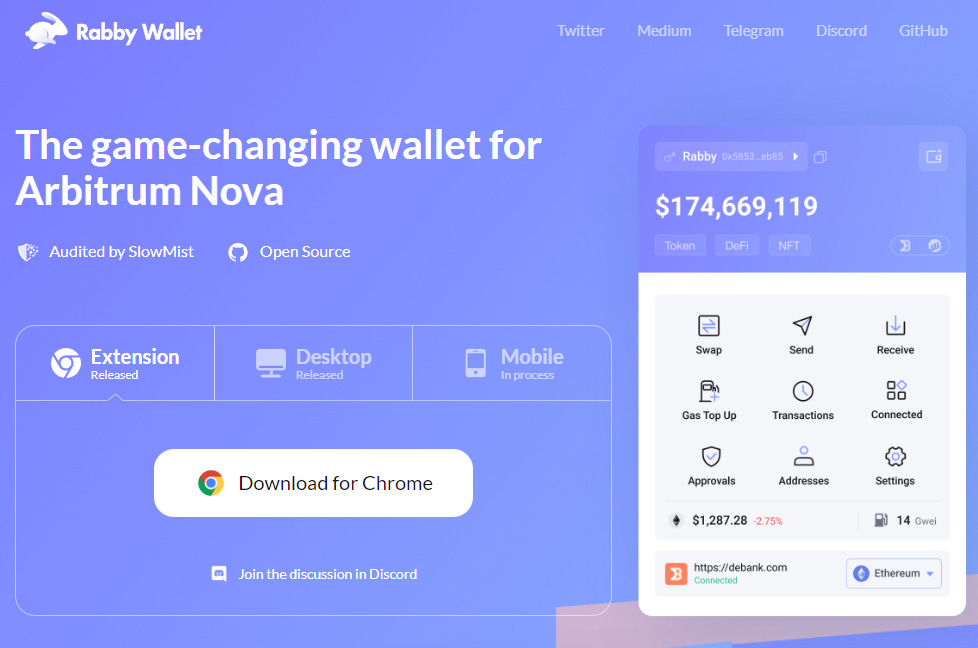
Screenshot of Rabby wallet interface showing multi-chain assets

What to look for in a DeFi browser extension

Simple list? Nah, that’s too neat. I’ll rattle off the essentials and explain why they matter. Whoa, quick hit: UX that anticipates mistakes reduces costly errors. Medium‑length explanation: good UX reduces approval fatigue and helps prevent approvals to malicious contracts. Longer thought: a thoughtfully designed wallet uses modal confirmations, default safety caps, and explicit gas estimation notes, which combined lower the chance of an accidental unlimited approval or a bad swap during network congestion.

One practical example is how wallets handle contract approvals. Really? Yep. Some wallets bury unlimited-approval toggles deep in settings, which is bad. Others surface a “revoke” flow and make it easy to limit allowances to single-use. My instinct said revoke flows would be niche, but they became one of my most-used features after a couple close calls. I’m biased, but that feature alone changes my trust calculus.

Okay, so check this out—connectivity across chains matters too. If you hop between Ethereum, BSC, and Layer 2s, you want consistent address behavior and predictable network switching. On one hand automatic switching saves clicks, though on the other hand it can confuse users when a site expects a specific chain. Dealing with that tension is a design problem more than a technical one.

Security mechanics are crucial. Hmm… hardware wallet support is non‑negotiable for power users. Medium point: integration with Ledger/Trezor through the extension reduces attack surface by keeping keys offline. Longer thought: when a browser extension provides a seamless, verifiable path to confirm transactions with a hardware device, it effectively combines the convenience of quick interactions with the safety of cold key storage, which is what many institutions and serious users need.

I’ll be honest—some wallets feel like they were built by engineers who forgot about people. That bugs me. Short: small usability fixes go a long way. Medium: labeling tokens clearly, showing fiat values, and highlighting the active address reduce cognitive load. Long: when token metadata is inconsistent, or when token lists are overloaded with spam tokens, users make mistakes that cost money, so thoughtful token management and default filters are essential design choices.

Why I recommend trying rabby

I’m not paid to say this—I tried a number of extensions and landed on a few I kept coming back to. Whoa, seriously? Yes. My actual usage patterns made one choice stand out. rabby has sensible multi‑chain handling, clear permission UX, and decent hardware support, and it made daily DeFi tasks less error‑prone for me. I’m biased, but having one place where approvals, network switching, and account management are coherent saved me time and stress.

Check it out: rabby brings sensible defaults, per‑site address mapping, and an approval history that reads like a transaction diary. Medium thought: that diary helps you trace approvals back to specific dApps, which is invaluable when an unexpected token shows up or when you need to revoke allowances. Longer thought: because Rabby separates the concept of connected sites from active approvals and gives users transparency about which address is being used where, it becomes easier to compartmentalize risk across different DeFi strategies.

Something felt off early on with many wallets: they present a polished front but hide critical details. That’s a design smell. Short aside: somethin’ about that bugs me. Medium explanation: clarity about transaction origin, nonce, and gas estimation prevents a lot of confusion. Longer thought: convincing users to pay for accuracy (for example, by displaying precise gas estimates and offering retry strategies) fosters better decision‑making during volatile periods, which is when mistakes happen most.

On the topic of multi‑chain liquidity, here’s an observation: bridging and cross‑chain swaps still feel risky. Hmm… bridges are improving, though often they are the weakest link. Medium point: the best wallet behavior is to show bridge risks, expected delays, and potential token wrapping implications. Long thought: users who understand these tradeoffs will choose routes differently, and wallets that contextualize those choices help reduce loss and confusion.

I’m not 100% sure about every future trend, but two things feel likely: first, wallet UX will converge toward explicit risk signals and richer permission controls; second, deep integrations between browser extensions and hardware wallets will become the norm. Short confession: I like predictability. Medium nuance: improvements will be incremental, not revolutionary. Long insight: incremental but well-crafted UX changes compound over time, and the users who value security and clarity will gravitate toward wallets that deliver those small wins consistently.

Common questions

Is a browser extension wallet safe for large holdings?

Short answer: generally no, not by itself. Use a hardware wallet for large sums. Medium detail: extensions are convenient and can be secured with strong passwords and careful approval hygiene, but they still run within the browser environment which expands attack surface. Longer guidance: combine hardware wallet usage with a trusted extension that supports external signing, keep software updated, and limit on‑chain approvals; treat the extension as a hot wallet for active trading, and a cold solution for long‑term storage.

Can one extension handle all my networks?

Yes, if it’s designed well. Short note: multi‑chain support is mature now. Medium explanation: look for consistent UX across chains, clear network indicators, and robust RPC fallback options. Long caveat: some niche chains require manual configuration, and token metadata can vary, so expect occasional friction.

Welche regionalen Unterschiede bestehen bei Boni ohne Einzahlung in Deutschland?

In Deutschland ist die Welt der Online-Casino- und Sportwettenanbieter durch eine Vielzahl von regionalen Faktoren geprÃĪgt. Boni ohne Einzahlung sind dabei ein beliebtes Instrument, um neue Kunden zu gewinnen. Doch die VerfÞgbarkeit, HÃķhe und Konditionen dieser Boni unterscheiden sich stark zwischen den BundeslÃĪndern. Im Folgenden werden die wichtigsten regionalen Unterschiede beleuchtet, um Spielern und Anbietern eine klare Orientierung zu bieten.

Regionale Unterschiede in der VerfÞgbarkeit von Boni ohne Einzahlung

Wie beeinflusst die LandesgrÃķße die Angebotsvielfalt?

Deutschland besteht aus 16 BundeslÃĪndern mit unterschiedlichen BevÃķlkerungszahlen und Marktpotenzialen. In großen BundeslÃĪndern wie Nordrhein-Westfalen oder Bayern ist die Angebotsvielfalt an Boni ohne Einzahlung tendenziell hÃķher, weil die Konkurrenzsituation intensiver ist. Hier versuchen Anbieter, durch attraktive Erstangebote und Boni die Aufmerksamkeit der Nutzer zu gewinnen. Kleinere BundeslÃĪnder mit geringerer BevÃķlkerungsdichte, wie Mecklenburg-Vorpommern oder Saarland, weisen oft weniger Angebote auf, da die Zielgruppe kleiner ist und die Anbieter dort weniger stark in den Wettbewerb treten.

Gibt es Unterschiede zwischen ost- und westdeutschen BundeslÃĪndern?

Historisch bedingt haben ost- und westdeutsche BundeslÃĪnder unterschiedliche regulatorische Rahmenbedingungen, was sich auch auf Boni ohne Einzahlung auswirkt. Westdeutsche BundeslÃĪnder wie Hessen oder Baden-WÞrttemberg bieten oftmals grÃķßere Plattformen mit hÃķheren Boni, weil hier ein langer Erfahrungsschatz im Markt besteht. In Ostdeutschland, etwa in Sachsen oder Brandenburg, sind die Boni tendenziell konservativer, was die Angebotsvielfalt einschrÃĪnkt. Einige Anbieter zielen gezielt auf den Ost-Markt ab, um Schwachstellen auszugleichen, wÃĪhrend andere die Unterschiede ignorieren und landesweit einheitliche Angebote bereitstellen.

Welche Rolle spielen Bundesland-spezifische GlÞcksspielgesetze?

Das deutsche GlÞcksspielrecht ist auf Bundesebene geregelt, aber die Umsetzung in den BundeslÃĪndern variiert. Das GlÞcksspielstaatsvertrag (GlÞStV) beeinflusst Boni erheblich, da bestimmte Formen der Bonusangebote nur unter bestimmten gesetzlichen Bedingungen erlaubt sind. In BundeslÃĪndern mit strengen Regelungen, wie Berlin, kann die VerfÞgbarkeit von Boni ohne Einzahlung eingeschrÃĪnkt sein. Im Gegensatz dazu sind in BundeslÃĪndern mit weniger restriktiven Gesetzen, etwa in Bayern oder Hessen, mehr flexible Angebote mÃķglich. Diese Unterschiede fÞhren dazu, dass die Boni in einigen BundeslÃĪndern attraktiver sind oder hÃĪufiger beworben werden.

Preisgestaltung und BonushÃķhen in verschiedenen Regionen

Wer bietet die hÃķchsten Boni ohne Einzahlung in stÃĪdtischen Gebieten?

In großen StÃĪdten wie Berlin, Hamburg oder MÞnchen sind Boni ohne Einzahlung meist hÃķher und verlockender. Anbieter setzen hier auf die große Ballungsform, um die Einwohner zu gewinnen. Studien zeigen, dass in stÃĪdtischen Zentren Boni zwischen 10 und 20 Euro ohne Einzahlung Þblich sind, bei einigen Marken sogar bis zu 30 Euro. Die hohe Kaufkraft und die intensivere Konkurrenz treiben die Boni in diesen Regionen nach oben.

Wie variieren Bonusangebote in lÃĪndlichen Gegenden?

In lÃĪndlichen Regionen sind Boni weniger attraktiv, was auf eine kleinere Zielgruppe und geringeren Wettbewerb zurÞckzufÞhren ist. Hier verbleiben Boni hÃĪufig im Bereich von 5 bis 10 Euro ohne Einzahlung. Außerdem sind die Angebote weniger frequent und weniger prominent beworben. Anbieter wÃĪgen die Kosten- und Nutzen-Relation ab und konzentrieren sich auf andere Marketingwege, da die Akzeptanz fÞr umfangreiche Boni geringer sein kann.

Gibt es regionale Unterschiede bei den Umsatzbedingungen?

Ja. In urbanen Regionen gelten oftmals striktere Umsatzbedingungen, um die Bonusangebote gegen Missbrauch abzusichern. In lÃĪndlichen Gebieten hingegen sind die Anforderungen manchmal großzÞgiger. Beispielsweise fordert ein Bonus ohne Einzahlung in einer Großstadt, dass der Umsatz mit identischen Spielen innerhalb von 30 Tagen vier- bis sechsmal erreicht wird. Auf dem Land sind es manchmal nur das Zweifache oder ein lÃĪngeres Zeitfenster. Diese Unterschiede basieren auf der EinschÃĪtzung des Risikoprofils in den jeweiligen Regionen.

Kulturelle Faktoren und deren Einfluss auf Bonusaktionen

Inwiefern beeinflusst die lokale GlÞcksspielkultur die Bonusstrategie?

Die regionale Kultur rund um GlÞcksspiel- und Wettgewohnheiten prÃĪgt maßgeblich die Bonuspolitik. In BundeslÃĪndern wie Bayern, mit stÃĪrkerer religiÃķser PrÃĪgung, sind Boni hÃĪufig konservativer gestaltet und erscheinen weniger prominent. Im Gegensatz dazu setzen Anbieter in GroßstÃĪdten wie Berlin oder Hamburg auf kreative, auffÃĪllige Bonuskampagnen, die auch den jugendlichen und urbanen Geist ansprechen.

Welche regionalen Trends sind bei Neukunden besonders beliebt?

Studien zeigen, dass in Ostdeutschland Bonusangebote mit zusÃĪtzlichen Freispielen oder Gratis-Spielen bei Slots besonders gut ankommen, wÃĪhrend im Westen mehr Wert auf hohe BonusbetrÃĪge gelegt wird. Zudem prÃĪferieren Kunden in stÃĪdtischen Gegenden eher kurze AktionszeitrÃĪume mit hohen BonushÃķhen, wÃĪhrend auf dem Land eher langfristige, weniger anspruchsvolle Angebote bevorzugt werden.

Wie wirken sich regionale PrÃĪferenzen auf Werbemaßnahmen aus?

Anbieter passen ihre Marketingstrategien an die regionalen Vorlieben an. In urbanen Gebieten setzen sie auf digitale Kampagnen, Social Media und Influencer, wÃĪhrend in lÃĪndlichen Regionen lokale Medien und Printwerbung eine grÃķßere Rolle spielen. Diese Anpassung beeinflusst wiederum die Art der Boni, die beworben werden, und die Aktionsgestaltung.

Technische Aspekte und regionale Netzwerkanbindung

Beeinflusst die Internet-Infrastruktur die Nutzung von Boni?

In BallungsrÃĪumen mit gut ausgebauter Internet-Infrastruktur, wie in Berlin oder Frankfurt, kÃķnnen Nutzer Boni ohne große technische Herausforderungen nutzen. In lÃĪndlichen Gebieten, zum Beispiel in SÃĪchsischen Erzgebirge oder in Teilen Mecklenburg-Vorpommerns, kann eine schwÃĪchere Versorgung mit Glasfaser und LTE die Nutzung einschrÃĪnken und damit auch die AttraktivitÃĪt der Boni beeinflussen.

Gibt es Unterschiede bei der Plattform-KompatibilitÃĪt in den BundeslÃĪndern?

WÃĪhrend die meisten Anbieter auf eine landesweite Plattform setzen, gibt es Unterschiede in der Optimierung. Nutzer in Regionen mit schlechterer Netzabdeckung greifen hÃĪufiger auf Desktop-Versionen oder Apps mit Offline-Funktionen zurÞck, sofern vorhanden. FÞr mobile Nutzer in lÃĪndlichen Gegenden kÃķnnen technische EinschrÃĪnkungen die Nutzung bestimmter Boni erschweren. Wer sich genauer Þber die verschiedenen Angebote informieren mÃķchte, kann sich auch bei morospin anmeldung registrieren, um die besten Optionen zu entdecken.

Welche technischen Herausforderungen bestehen in lÃĪndlichen Regionen?

Neben einer schwÃĪcheren Internetinfrastruktur sind auf dem Land oft auch Herausforderungen bei der Nutzung von Zahlungsdiensten oder bei der Verifikation der IdentitÃĪt zu beobachten. Diese Faktoren kÃķnnen den Zugang zu Boni ohne Einzahlung erschweren. Anbieter versuchen, dem durch alternative Verifikationstechniken und optimierte mobile Versionen entgegenzukommen, doch die Unterschiede bleiben bestehen.

Innovaciones en Bonos de Casino sin DepÃģsito: La EvoluciÃģn de las Ofertas Gratuitas en la Industria del Juego Online

En el dinÃĄmico mundo del gambling digital, los bonos sin depÃģsito representan uno de los instrumentos mÃĄs estratÃĐgicos para atraer y fidelizar jugadores. Su evoluciÃģn refleja no solo los cambios tecnolÃģgicos, sino tambiÃĐn las regulaciones y tendencias del mercado. Este anÃĄlisis profundiza en la importancia de estas promociones, evidenciando cÃģmo su desarrollo ha contribuido a transformar la experiencia de los usuarios y ofrecer mayores oportunidades de juego, todo ello sustentado en datos recientes y perspectivas de la industria.

Contexto y Significado de los Bonos Sin DepÃģsito en la Industria del Juego

HistÃģricamente, los casinos en línea y plataformas de apuestas han estado en constante adaptaciÃģn a las demandas de un pÚblico cada vez mÃĄs informado y exigente. La oferta de bonos sin depÃģsito – es decir, crÃĐditos gratuitos que permiten jugar sin realizar un depÃģsito previo – se presentÃģ como una estrategia de bajo riesgo para los usuarios, brindÃĄndoles la posibilidad de probar nuevos sitios y juegos sin compromisos econÃģmicos iniciales.

SegÚn recientes informes de la AsociaciÃģn Europea de Juego en Línea, en 2023, mÃĄs del 63% de los jugadores noveles consideran que los bonos sin depÃģsito son su principal motivaciÃģn para registrarse en plataformas. Esto indica que, en el contexto competitivo actual, estas promociones actÚan como un diferenciador clave para operadores que quieren captar cuota de mercado rÃĄpidamente.

Tendencias y Cambios en las Ofertas Gratuitas

El panorama de las promociones sin depÃģsito ha experimentado cambios profundos en los Últimos aÃąos, impulsados por avances tecnolÃģgicos y cambios regulatorios:

  • Mayor transparencia y regulaciÃģn: La reciente implementaciÃģn de normativas mÃĄs estrictas por parte de organismos regulatorios como la DirecciÃģn General de OrdenaciÃģn del Juego (DGOJ) de EspaÃąa ha llevado a los operadores a ofrecer promociones mÃĄs claras, con tÃĐrminos y condiciones transparentes.
  • PersonalizaciÃģn y gamificaciÃģn: Las plataformas estÃĄn utilizando data y algoritmos avanzados para ofrecer bonos que se ajusten a perfiles específicos, ademÃĄs de incorporar elementos de gamificaciÃģn para aumentar la participaciÃģn.
  • IntegraciÃģn con nuevas tecnologías: La adopciÃģn de blockchain y las criptomonedas ha permitido ofrecer bonos sin depÃģsito en formatos mÃĄs innovadores, facilitando pagos y verificaciones.

Impacto de la Calidad y Credibilidad en las Promociones Gratuitas

La experiencia del usuario y la confianza en las plataformas son factores decisivos en la percepciÃģn de las promociones gratuitas. Operadores serios y regulados entienden que ofrecer un bono sin depÃģsito de calidad, con tÃĐrminos claros y sin riesgos ocultos, fomenta la fidelidad y reduce la tasa de abandono. En este escenario, la relaciÃģn entre credibilidad y satisfacciÃģn se vuelve esencial.

Un ejemplo relevante de ello es la presencia de plataformas que no solo resaltan en su marketing las ventajas de sus bonos sin depÃģsito, sino que tambiÃĐn proporcionan informaciÃģn completa y asesoramiento directo, incrementando la confianza del jugador. El sitio topwagerz sin depÃģsito surge como una referencia en informar a los usuarios sobre estos bonos consumidores y transparentes, ofreciendo una valoraciÃģn exhaustiva de las mejores promociones sin riesgo econÃģmico.

Casos de Éxito y Estadísticas Relevantes

Operador Bono Sin DepÃģsito Tasa de Conversiones Incremento en Nuevos Registros (%)
CasinoA ₮10 gratis 28% 35%
CasinoB 100 giros gratis 24% 42%
CasinoC ₮20 sin depÃģsito 31% 48%

Estos datos reflejan cÃģmo las promociones sin depÃģsito bien diseÃąadas no solo atraen a mÃĄs usuarios, sino que tambiÃĐn aumentan la retenciÃģn, estableciendo una relaciÃģn de confianza que puede traducirse en clientes de valor a largo plazo.

Perspectivas Futuras y Recomendaciones para Operadores

De cara al futuro, se espera que los bonos sin depÃģsito sigan evolucionando hacia ofertas mÃĄs personalizadas y responsables. La incorporaciÃģn de tecnologías como la inteligencia artificial permitirÃĄ adaptar las promociones a las necesidades individuales, reduciendo el riesgo de juego problemÃĄtico y promoviendo un juego responsable.

Para los operadores, la clave radica en mantener un equilibrio entre la innovaciÃģn y la regulaciÃģn, garantizando a los usuarios experiencias seguras, transparentes y atractivas. La colaboraciÃģn con plataformas confiables, como topwagerz sin depÃģsito, puede ser un componente estratÃĐgico para mejorar y diversificar la oferta de bonos sin depÃģsito, fortaleciendo la credibilidad en un mercado cada vez mÃĄs saturado.

ConclusiÃģn

Los bonos sin depÃģsito se consolidan como un pilar fundamental en la estrategia de captaciÃģn y fidelizaciÃģn del casino online. La innovaciÃģn en la oferta, acompaÃąada de una mayor transparencia y compromiso con la experiencia del usuario, estÃĄ configurando un nuevo estÃĄndar en la industria. La integraciÃģn de plataformas de referencia, como la mencionada en el enlace, ayuda a los jugadores a tomar decisiones informadas, garantizando un ecosistema de juego mÃĄs confiable y responsable.

En definitiva, el futuro del juego digital depende de cÃģmo las plataformas puedan equilibrar la creatividad en promociones con la responsabilidad y la confianza, respaldadas por anÃĄlisis de datos y buenas prÃĄcticas regulatorias.

The Art and Science of Bonuses in Online Casino Gaming

In the rapidly evolving landscape of online gambling, customer engagement hinges significantly on understanding and leveraging promotional offers—particularly bonuses. As an industry that thrives on trust, transparency, and strategic incentives, online casinos continuously refine their bonus structures to attract new players and retain existing ones. To navigate this complex terrain adeptly, players and industry analysts alike need a nuanced understanding of how bonuses work, how to access them effectively, and what standards define credible offers.

Understanding Bonuses: Beyond the Surface

Bonuses serve as both a marketing tool and a value-added benefit for players. They come in various forms, including welcome bonuses, free spins, reload offers, and loyalty rewards. These incentives can significantly enhance a player’s bankroll, extend gameplay, and increase chances of winning, but they also come with specific conditions—wagering requirements, game restrictions, and time limits.

Industry data indicates that nearly 85% of online gamblers consider bonuses a decisive factor when choosing a platform, emphasizing their influence on user acquisition and retention (Source: Gaming Analytics Report 2022). Yet, the true value of a bonus is only as good as players’ ability to understand and leverage its terms. This underscores the importance of clear, reputable sources that elucidate how bonuses are structured and how players can maximize their benefits.

How Do Players Access Bonuses? Strategic Insights

Accessing bonuses requires more than just clicking “claim”—it involves strategic navigation of casino promotions, understanding eligibility criteria, and, crucially, knowing where to find transparent information on bonus policies. Many players stumble upon offers that appear lucrative but are laden with hidden terms, leading to frustration or unintended losses.

Recognized industry standards emphasize transparency and fairness. For example, reputable operators provide comprehensive information about bonus conditions directly on their websites. For players seeking authoritative guidance, it is essential to consult credible sources that explain how to get bonuses? effectively, ensuring they are aware of the steps involved—from registration, deposit requirements, to meeting wagering commitments—without ambiguity.

Pro Tip: Always read the bonus terms thoroughly before opting in. Reputable sites offer detailed explanations, like this page demonstrates, which serve as a credible reference point for players eager to understand bonus mechanics.

The Role of Transparency and Industry Standards

Criterion Reputable Practice Industry Benchmark
Clear Terms & Conditions Accessible and detailed explanation of wagering, eligible games, and timeframes. Mandatory display of bonus rules before claim.
Secure Verification Verification procedures that protect player data and ensure fair play. Licensing by recognized regulatory authorities (e.g., UKGC, Malta).
Customer Support Responsive, knowledgeable support teams available to clarify bonus-related queries. 24/7 support through multiple channels.

Industry Insights: Differentiating Between Truth and Hype

While promotional offers can be enticing, industry veterans emphasize critical evaluation. Overly generous bonuses often come with stringent wagering conditions, minimal withdrawal limits, or restricted game applicability. Thus, understanding the underlying mechanics is paramount.

As experts continue to observe, transparency is often the differentiator that separates credible offers from deceptive ones. For instance, websites that openly publish detailed bonus policies foster trust and foster better decision-making among players. In this context, the role of authoritative content—such as dedicated bonus policy pages—becomes invaluable, guiding players through the complex process of maximally benefiting from their chosen offers.

Most importantly, players should always consider the wider ecosystem—review reputation, regulatory compliance, and user feedback—to identify trustworthy sources. For example, this comprehensive dedicated bonuses page exemplifies transparency, helping players become informed participants rather than passive recipients of promotional hype.

Conclusion: Strategic Use of Bonuses for a Better Gaming Experience

Optimizing bonuses involves more than chasing the highest payout; it requires strategic understanding, expert knowledge, and access to reliable information. As online gambling platforms evolve, so do their methods of engagement, making transparency and education critical components for responsible gaming.

For players committed to maximizing their benefits and making informed choices, exploring authoritative sources—like the detailed how to get bonuses? page—becomes a cornerstone of a sustainable, responsible gaming strategy. By combining industry insights with careful analysis, players can turn bonus offers from mere marketing gimmicks into meaningful opportunities for entertainment and potential profit.

The Evolution of Themed Slot Games: From Classic Reels to Immersive Genres

In recent years, the landscape of online casino gaming has undergone a remarkable transformation, driven by innovative themes and immersive storytelling. Traditionally, slot games were simple, fruit-based machines with basic symbols, but contemporary offerings now span a vast spectrum of genres—from mythology to pop culture—and increasingly, genres that blend humor, horror, and fantasy. This evolution reflects a broader industry trend towards creating engaging content that resonates with diverse player interests.

Understanding the Thematic Shift in Online Slots

The integration of compelling themes into slot games has been a strategic response to players’ desire for entertainment that extends beyond mere gambling. Industry data indicates that thematic slots see a higher player retention rate, with some studies suggesting up to 40% longer play sessions compared to generic machines. This is because a well-crafted theme fosters emotional engagement, encouraging players to explore narratives, characters, and visual aesthetics.

Aspect Impact on Player Engagement
Visual Design Enhances immersion and draws players into the game world
Storytelling Elements Creates a narrative context that motivates continued play
Bonus Features Often aligned with the theme, increasing excitement

The Rise of Genre-Based Slots: Embracing Horror, Comedy, and Fantasy

While traditional themes like gems or fruits remain popular, the market has seen a surge in genre-specific slot games that leverage cultural trends and niche interests. Notably, the horror genre has gained significant traction, appealing to players seeking adrenaline and suspense within a safe entertainment environment. Similarly, comedic themes inject lightheartedness, making gaming sessions more enjoyable, especially during social or casual play.

Case Study: The Intersection of Horror and Comedy in Slots

One noteworthy example at the forefront of this genre innovation is the horror comedy slot game. This title exemplifies how blending horror elements—like zombies and monsters—with comedic storytelling creates a unique gaming experience that balances thrill with humour. Such hybrid genres are increasingly popular among a diverse demographic, attracting players who enjoy thematic richness combined with playful mechanics.

“Themed slot developers are no longer confined to static visuals; they now craft elaborate narratives that keep players engaged beyond spinning the reels, introducing elements like character development and story arcs,” notes industry analyst Jane Thornton, head of Digital Gaming Insights.

Industry Insights and Future Trends

According to the European Casino Association, themed slots constitute over 65% of new game releases in 2023, underscoring the sector’s shift towards immersive content. Developers are investing heavily in audiovisual technology—such as high-definition animations and sophisticated sound design—to elevate the thematic experience. Moreover, the integration of social features and cross-platform capabilities enhances community engagement.

Conclusion: Thematic Innovation as a Core Driver of Growth

The evolution from simple slot reels to richly themed, genre-blending titles marks a pivotal shift in digital gambling entertainment. As industry professionals increasingly focus on storytelling and visual appeal, players benefit from more engaging, memorable experiences. The rise of niche genres, exemplified by innovative titles like those explored at horror comedy slot, demonstrates this ongoing trend towards creative diversification. In an era where entertainment value is paramount, thematic innovation is set to remain a key driver of growth and player loyalty in the online casino industry.

Note: For enthusiasts interested in exploring the blend of horror and comedy within the slot domain, the site Chicken versus Zombie offers an engaging example of this genre fusion, illustrating the creative potential inherent in modern slot game development.

Why Swap UX and Transaction History Matter More Than You Think

Whoa! Seriously? The first time I watched someone confuse a swap fee for a gas fee I knew we had a UX problem. Medium-level frustration, for sure. But there’s more. My instinct said users were being nudged into mistakes by opaque interfaces and buried histories, and that hunch turned out to be more than just a vibe.

I’m biased toward self-custody. I like owning my keys. Still, I admit I once sent tokens to the wrong chain because the DEX UI hid the chain dropdown inside an odd menu. Oops. That felt dumb. It was a small error with outsized consequences — and that’s a story many DeFi users can tell, if they talk honestly.

Here’s the thing. Swap functionality on a decentralized exchange is deceptively simple on the surface. You pick a pair, approve, and swap. But under the hood there’s slippage tolerance, price impact, liquidity pool depth, routing algorithms, MEV risks, and gas timing. People see a single “swap” button and assume the system protects them. It doesn’t. Not by default.

Initially I thought better analytics would fix most errors, but then realized that visibility alone isn’t enough. You can show a lot of numbers and still confuse people. The way those numbers are hierarchized, labeled, and contextualized matters more than having them at all. On one hand, raw transparency empowers power users; on the other hand, too much raw data overwhelms newcomers — though actually, there are middle-ground approaches that scale.

Hmm… somethin’ about the way wallets bundle approvals bugs me. Users approve infinite allowances and then forget. That’s a trust problem. It’s UI negligence. And the result is repeated vulnerability across DeFi wallets and dapps.

Trading on a DEX is more like navigating a busy highway than clicking a button. You’re choosing lanes, watching mirrors, and anticipating traffic. Sometimes the route the aggregator chooses will hop across pools to get a marginally better price, and that path can expose you to bridging risks or sandwich attacks. That all happens in milliseconds, so you have to trust the pathfinding. But trust has to be earned, not assumed.

Check this out—

swap interface screenshot showing swap details, route, and transaction history with pending and confirmed swaps

—and there: a clear transaction history would have prevented my earlier mistake. A proper history shows more than timestamps. It shows context: the exact route, the approval state, pre-swap estimates, and post-swap receipts. Those receipts are how you make sense of past behavior when debugging funds or disputes.

Practical UX design patterns that reduce mistakes

Short, actionable signals first. Give me the estimated received amount and the worst-case received amount. Now. Don’t hide it under “advanced”.

Medium-length explanations help too, especially for novices. A few words that explain terms like “price impact” or “slippage tolerance” reduce panic and impulse. Small tooltips work. Smart defaults are better. For example, set slippage tolerance conservatively for tokens with low liquidity, but allow experienced users to widen it after explicit confirmation.

Longer design moves are about attaching accountability and retraceability to each swap, so when somethin’ goes wrong you have a breadcrumb trail. That requires storing a readable transaction history locally and making it exportable, signed, and understandable even outside the wallet. Users should be able to see why a route was chosen — the pool rates, the intermediary tokens, and the aggregate price — all laid out, though not shoved in their face the moment they open the app.

I’ll be honest: I used to think exchange-like order books were a universal solution. But on-chain order books are expensive and fragile for many token pairs. AMMs and aggregators will remain dominant for a while, so improving swap UX on AMMs matters more than chasing a perfect order-book model.

Routing transparency reduces fear. If the DEX or wallet shows the exact pools used and the token hops, users can decide if they accept that path. Some aggregators obfuscate routing to maximize yield and that can backfire when a user finds out later that their funds hopped through a risky bridge or thin pool.

Approval management is low-hanging fruit. Show approvals prominently. Provide one-click revoke. Warn about infinite approvals. People click approving because they want seamless trading, but seamless shouldn’t equate to permanent permission. That’s very very important.

Speed matters too. A crisp transaction history that updates in near real-time is calming. Waiting minutes to see a status makes people do dumb things like re-submitting identical transactions or canceling a safe operation. UX should throttle panic, not stoke it.

Now, about wallets: integrating swap functionality into a self-custody wallet changes the dynamic. When the wallet itself mediates swaps it can offer context-aware defaults, inline warnings about approvals, and a consolidated transaction history across DEXes. I tested a few builds and the difference was night and day: seeing approvals and swaps in one timeline helped me diagnose a routing cost once within a minute, instead of digging through Etherscan for ten frustrating minutes.

For those who prefer a familiar example, the uniswap wallet has been focusing on bringing swaps and history together in a cleaner way. It’s not a silver bullet, but having the swap flow and a readable ledger in the same place reduces cognitive load and improves recoverability when you make mistakes.

On one hand, aggregators can reduce price impact by routing; on the other hand, they can introduce complexity. Users ask for “best price” but they also deserve an explanation of what “best” means in context. Did it route through an extra hop for a tenth of a percent? Was gas optimized at the cost of MEV risk? Show tradeoffs.

Something felt off about default gas estimation I saw recently. The wallet suggested a gas price that would have delayed settlement during congestion. Initially I trusted it, but then I watched the tx sit pending. Actually, wait—let me rephrase that: default estimators need to consider market conditions plus user intent, and give an accessible override if speed matters more than cost. People need choice, not guesswork.

Education is unavoidable. Microcopy matters. But don’t drown users in long essays. Use progressive disclosure: short definitions, an expand option for deeper dives, and a learn-more modal that doesn’t interrupt the swap flow unless asked. That balance is hard to get right, but it’s worth the design cycles.

From a dev’s perspective, transaction history needs two axes: what happened (events) and why it happened (metadata). Events are the swaps, approvals, and transfers. Metadata is the route, pool IDs, slippage used, and the signed pre-trade quote. Keeping that metadata locally, encrypted by the wallet, gives users a portable audit log without exposing their privacy.

Security and privacy often trade off against convenience. On-chain receipts are public, but you can enhance privacy by allowing users to label transactions locally, tag counterparties, and add notes. Those notes are private, but they transform a list of raw hashes into a human-friendly ledger that helps recovery and auditing later.

Here’s what bugs me about many integrations: they think a single “confirm” modal closes the responsibility loop. It doesn’t. A modal needs to educate, confirm, and provide an escape route. If a modal only shows numbers and a “confirm” button, it fails the novice user test.

One pragmatic architecture I’ve liked is a layered history. Layer one: high-level timeline with human-readable actions. Layer two: expandable technical details for each action. Layer three: exportable machine-readable receipts for audits or sharing with support. That progression respects both clarity and depth.

Also, don’t forget error states. Failed swaps should explain failure reasons plainly: insufficient liquidity, slippage exceeded, gas price too low, or reverted because contract checks failed. A cryptic “transaction failed” is unhelpful. Users need remediation paths — suggestions like “try higher slippage” (with explicit risk warnings) or “wait for lower gas”.

Who benefits from good swap UX and history? Everyone. Newcomers don’t lose funds. Power users save time. Support teams get fewer repetitive tickets. Protocol builders gain trust. The ecosystem becomes more resilient because mistakes become less catastrophic, not just more visible.

Okay, so what’s a quick checklist you can use when evaluating a wallet or DEX for swaps?

– Clear pre-swap estimate and worst-case receive.
– Visible route and pool info, with an option to expand for details.
– Explicit approval management with revoke functionality.
– Real-time, readable transaction history with metadata exports.
– Context-aware gas estimates plus user override.

I’ll wrap this up without being formulaic: better swap experiences are not only about prettier UIs. They’re about making permissioning visible, routes explainable, and histories recoverable. These are design and product choices that respect users’ time, money, and attention. They also help reduce regret, which is a surprisingly important metric in DeFi adoption.

FAQ

How does transaction history help if everything is on-chain?

On-chain data is raw and often cryptic. A wallet’s transaction history translates those events into a narrative, showing route, approvals, and contextual notes. That makes audits and support far easier. Plus, storing local metadata (labels, notes) turns a raw list into something you can actually act on.

Should I trust built-in swaps in my wallet?

Trust is earned. Built-in swaps can offer better UX and context, but verify that routes and approvals are transparent and revocable. If the wallet provides detailed receipts and clear approval controls, it is safer than one that hides those things. If you’re exploring options, check out how the uniswap wallet surfaces swaps and history as an example (just one example).