• Home
  • About us
    • Testimonials
  • Our program
    • 8 dimensions of wellness
    • Content platform
    • Promotional services
    • Measuring results
    • Case studies
  • Our content
    • Philosophy and approach
    • Browse content
    • Custom content
  • Video
    • Campuswell+
    • Video Packages
    • Browse Videos
  • Blog
  • The Research
  • AI
  • Gen Z
Contact
  • Home
  • About us
    • Testimonials
  • Our program
    • 8 dimensions of wellness
    • Content platform
    • Promotional services
    • Measuring results
    • Case studies
  • Our content
    • Philosophy and approach
    • Browse content
    • Custom content
  • Video
    • Campuswell+
    • Video Packages
    • Browse Videos
  • Blog
  • The Research
  • AI
  • Gen Z
Contact Admin Site
  • Home
  • About us
    • Testimonials
  • Our program
    • 8 dimensions of wellness
    • Content platform
    • Promotional services
    • Measuring results
    • Case studies
  • Our content
    • Philosophy and approach
    • Browse content
    • Custom content
  • Video
    • Campuswell+
    • Video Packages
    • Browse Videos
  • Blog
  • The Research
  • AI
  • Gen Z
Contact Admin Site
  • Body
    • Physical activity
    • Workouts
    • Body image
    • Sleep
    • Staying healthy
  • Food
    • Nutrition
    • Recipes
  • Mind
    • Stress
    • Mental health
    • Mindfulness
    • Spirituality
  • Academics
    • Studying
    • Time management
    • Test taking
  • Self
    • LGBTQ+
    • Self-improvement
    • Race and ethnicity
    • Substance use
    • Environment
    • Accessibility
  • Relationships
    • Romantic relationships
    • Friendships
    • Communication
  • Money
    • Finances
    • Career
  • Sexual culture
    • Sexual health
    • Sexual assault and harassment
Substance use
Home Self Substance use Page 3

Category: Substance use

01 OctCommunicationFeaturedFriendshipsRelationshipsSelfSexual assault and harassmentSexual cultureSubstance use

Are you a social engineer?: 4 ways to use your powers for good

by Hana Awwad0 Comments

Rate this article and enter to win
Feel like throwing a party? If so, you’ll play an important role in shaping the social culture of your campus. Party throwers are the social engineers who design the spaces in which students meet, dance, talk, and sometimes drink or hook up. You can help build the campus you really want.

Party hosts are in a great position to help reduce the rates of campus sexual assault. Research consistently shows that sexual violence is not an isolated phenomenon; it occurs within a broader culture of pressure and disregard for others. By holding ourselves and each other to a higher standard, we can de-normalize the low-level disregard that is often a precursor to sexual violence. We should be concerned with pressure even when no one is out to cause harm, as we always deserve to have our boundaries and limits respected.

As a party thrower, you can create an environment that makes it easier for people to make mindful decisions in which mutual respect and recognition are the default. A great party involves thinking proactively about the kind of experience you want to create. What tone and vibe are you going for? How can you make sure your guests enjoy it? How can you arrange the space in ways that help people feel comfortable?

1. Talk it out

Get together with your roommates or cohosts and discuss your goals and responsibilities for the party:

  • What do you want out of this event?
  • If this party goes as well as it possibly could, what would that look like?
  • What can help you get there?
  • What might get in your way?
  • What can you do to make space for people to participate in different ways? Of course you want your party to be fun, but fun means different things to different people.

If you’re throwing this party on behalf of a student organization or club, know your college’s policies, and consider opening up the conversation to all the members. Everyone should be on the same page about basic priorities. Think aloud about how those priorities align with your mission as a group. Also: Is this the first party you’re throwing with the newest members of your group? As seasoned members, you get to take the lead on modeling positive group dynamics: looking out for each other, treating guests with respect, and upholding your group’s values. Never throw a party in a shared home without your roommates’ agreement.

Heads up to neighbors & campus security

Talk to your neighbors

  • It’s worth visiting your neighbors a few days before the party. Give them a heads-up. If appropriate, invite them. Let them know the day and time (start to end) and ask if they have anything going on then that you should keep in mind.
  • Give them your phone number. Ask them to call or text if they have any concerns. Ideally, any noise complaints would be communicated to you first rather than to the police. Don’t forget to pay attention to your phone during the party.

Call up campus security 

Consider giving your campus security department (or campus police) the same heads-up. Here’s why:

  • They will get in touch with you if something happens in your area that you and your guests should be aware of.
  • They may offer to give you a call if they get a complaint rather than showing up and shutting the party down.
  • They can help you handle guests who shouldn’t be there and may be able to help people get to and from the party safely. Campus security and police often organize patrol duties based on where events are taking place.
How to invite fun, not trouble

Plan how you reach out to people to invite them to the party

  • Promote the party using language that matches your priorities for this event. How you talk about a party can go a long way in helping your guests imagine what it will be like. What’s the tone or vibe you want for your party? How can you craft an invitation that communicates that to your guests? For example, if you don’t want people throwing up on your couch, don’t advertise the party with lots of alcohol images, because then you’re inviting people who want to get drunk enough to throw up on your couch.
  • Think about how your theme and invitation may be perceived by people of different backgrounds.
  • Consider including some language about your expectations for your guests. Are there “house rules” you want them to know about? For example:
    • If you don’t have a lot of space, you could ask people to let you know if they’re bringing friends.
    • If there are spaces in your venue that are off-limits, you can mention that in the invitation.
    • You can include guidelines for behavior, (e.g., “Costumes are optional; respect for everyone is required,” or “We will set up before the party starts; please help us with cleanup before you leave”).
    • Articulate your rules about serving alcohol to minors and drivers, and provide information on alternative transportation and parking.

2. Set up thoughtfully

As you set up, consider how your guests will interact with the space throughout your party. Music and dance are staples of a great party. So are conversations and personal connections.

If you are setting aside a dance floor, make sure you also have a quieter, more well-lit space where your guests can cool off, catch their breath, and talk. You might stock this space with cold water bottles, snacks, softer music, and a fan. A setup that makes room for conversation will help your guests communicate more clearly. This is especially important if two people are considering going home together. They can take a break from the loud dance floor to check in about what they want to do next.

If there are isolated spaces in your party venue, decide whether or not to keep them open and accessible. If you do, assign someone the task of checking in on those spaces during the party.

When you’re putting together the playlist or choosing entertainers or DJs, think about how well they fit your values and priorities for the event.

Students at a party

3. Welcome to the party!

Make a plan for how you will welcome your guests, help them feel comfortable, and check in on them throughout the party. As hosts, you will be especially attuned to the general mood. You can make the rounds, introduce people, and troubleshoot issues as they come up.

Hosts are well positioned to step in if they notice uncomfortable dynamics, like a guest experiencing unwanted attention or someone pressuring others to drink. It’s your party—you can check in whenever you notice something, no matter how small. The most effective interventions happen early, when (in many cases) they can be subtle.

Consider signaling who is hosting the party. Wear a signature piece of clothing, a vivid color, or silly hat. This helps guests know where to turn if anything comes up. They may need directions to the bathroom,  escape from someone who is making them uncomfortable, or help turning away someone at the door or seeking medical attention for a friend who has overdone it.

If a large group is throwing the party, consider trading off “hosting duties” over the course of the evening.

The role of designated greeters

Why it helps to have a designated greeter

Consider explicitly assigning someone (or a few people, depending on how big the party is) the task of greeting guests and inviting them in. It sets a friendly tone for the party and makes guests feel welcome in your space. Greeters (like alcohol servers) should not drink alcohol themselves.

This is also a good way of reminding guests of the “house rules” and checking in on them as they arrive. Are they arriving alone? Are they slurring their words? Do they seem wobbly on their feet? You might want to check in with someone’s friends, get them medical attention, not serve them alcohol, turn them away at the door, or send them home in a taxi.

How to de-escalate a charged situation

Make it a habit to disrupt troubling dynamics early. This is usually easy: distract people, change the topic, make a joke. In some cases—for example, if someone is violating your community standards, potentially making you liable for negative consequences, or showing aggression—you may need to address the situation directly.

Tips…

  • Keep your cool. Controlling our tone and body language can be tricky, but it’s crucial to prevent the situation from escalating further.
  • Make clear “I” statements. Telling someone that they are too drunk or too aggressive will only invoke defensiveness. Instead, try something like “I’m sorry, but we can’t let you in and risk violating community standards,” “We can’t give you another drink,” or “I’m calling a taxi to get you home.”
  • Ask for help. If the situation seems volatile, enlist the help of others: your cohosts or close friends, friends of the person causing trouble (ask them to take their friend home), or campus police.

4. Can I offer you a drink?

If you intend to serve alcohol, come up with a plan for how you will keep your guests safe. Do your best to create an environment in which everyone can make mindful, deliberate choices about whether they want to drink and how much. Alcohol does not cause sexual violence, but it can make people more vulnerable to pressure or coercion (and sexual aggressors may deliberately use it this way). A successful party does not have to involve alcohol. Always provide plenty of non-alcoholic beverages. The legal age for drinking alcohol is 21.

Rather than leaving alcohol around for people to serve themselves, it’s worth assigning a couple of people that task. Here’s why this helps:

  • Designated servers can mix tasty cocktails that complement the party theme, or just serve beer or wine.
  • Designated servers are careful to measure and not over-pour drinks—a task that is infinitely more difficult for your distracted guests, who may have already been drinking.
  • Designated servers can keep an eye out, noticing who has had too many drinks, who needs a glass of water, and who needs to switch to something nonalcoholic.
  • For guests, this setup makes drinking an active choice rather than a default. It’s easier for people to count their drinks over the course of the evening.

Spot signs of trouble: Take a moment to familiarize yourself with the medical response resources available on your campus or in your community. If everything goes according to plan, your guests won’t need to use them.
Any of the following symptoms indicates alcohol poisoning. Call for medical help immediately:

  • Can’t walk unassisted
  • Unconscious and unresponsive
  • Vomiting continuously
  • Clammy skin or slow breathing

How to serve smart

Many campuses offer classes on bartending skills and safe serving practices—often for free! If you’re involved in planning parties where alcohol may be served, sign up and attend a class to get yourself ready.

Tips for serving smartly and safely

  • Keep the alcohol in one place so your guests drink only if they’ve made an active choice to do so. Having alcohol in multiple places suggests that drinking (and often drinking heavily) is the default. Consider giving guests a couple of tickets they can exchange for alcoholic drinks to help limit their consumption.
  • Have some ice on hand. Your cocktails will feel fancier and your guests will take their time sipping their drinks. Don’t forget “mocktails” (festive nonalcoholic drinks) and plenty of water, caffeine-free sports drinks, and juice.
  • Use proper measuring tools. If you’re serving hard liquor, use a 1-oz. shot glass to measure out drinks. Shot glasses have an excellent feedback loop to let you know when you’ve over-poured: they spill over.
The after-party

Organizing a successful after-party

The party may have ended, but the after-party is just getting started.

  • Make sure your guests have a safe way to get home. It’s your party until the very last stragglers head home. Have a list of taxi numbers and help your guests make the calls. 
  • Correction: It’s your party until everything has been cleared away. Well in advance, assign cleanup responsibilities so that everyone knows what is expected of them when the party ends. A little organization goes a long way.
  • Find a time to talk with your cohosts and neighbors about what went well and what you want to do next time. Consider soliciting friendly feedback from your guests: Did they have a good time? What did they like about the party? What did they think was missing?
The surprising effect of alcohol expectancies

Alcohol does what we expect it to

Here’s how that works

We don’t need alcohol to socialize or have a good time. Alcohol doesn’t generate any new desires in us or give us any new skills. Science is proving that many of the effects we commonly associate with drunkenness are not biological or physiological. Instead, those effects are the result of our own beliefs and expectations.

You may have heard of studies in which participants falsely believe that they are consuming alcohol. Although their drinks look and smell alcoholic, these study participants have consumed no alcohol at all. Yet they behave “drunkenly”: they become loud, flirtatious, talkative, and sometimes inappropriate. Researchers call this effect “alcohol outcome expectancies.”

Any of the positive effects of alcohol that we experience are already within us. If you can be witty and charming after a couple of drinks, you can be witty and charming while sober.

More alcohol does not mean people will have more fun. If anything, more alcohol increases the chances that someone will damage your place and possessions, or become intoxicated to the point of alcohol poisoning and require medical attention. As party throwers, you are ultimately responsible for the health and well-being of your guests, whether or not they are are legally old enough to drink alcohol. The best thing you can do for your guests is to make it easier for them to pace themselves and drink responsibly.


Video is loading

Get help or find out more

How to party smart: Harvard Drug and Alcohol Peer Advisors

Skills for safe alcohol consumption: TIPS®

Bystander tips and training: University of Arizona (Step Up Program)

Find local services for sexual assault survivors: NotAlone.gov

Get active against sexual assault: Know Your IX

Strength without violence: Men Can Stop Rape

[survey_plugin]
Read More
01 AprFeaturedSelfSubstance use

Personal mixology: Your body, your life, your limits

by Kristen Pope0 Comments

Rate this article and enter to win
Not all of us can handle the same amount of alcohol. Different body types, genes, minds, and experiences affect our tolerance. Here, five students talk about their relationship with alcohol in the context of their own risk factors: A family history of alcoholism; fatigue and stress; small body size; medication interaction; and diabetes. Two experts suggest customized strategies for managing their alcohol consumption.

Experts

  • Dr. Nathilee Caldeira is a licensed clinic psychologist at the Student Mental Health Center at Columbia University Medical Center, and the founder of Let’s Talk Psychological Wellness PC. (NC)
  • Dr. Scott Lukas directs the Behavioral Psychopharmacology Research Laboratory at McLean Hospital in Belmont, Massachusetts, and the McLean Imaging Center. He is professor of psychiatry at Harvard Medical School. (SL)

* All students’ names have been changed for privacy. All students featured are age 21+.

Drinking while small-bodied

Callie’s story:
“I’m 4’11”, 87 pounds. It’s difficult when friends don’t think about the fact that I can’t drink as much as they can. I become intoxicated quicker. I drink occasionally, two drinks at most.”

Why is being small-bodied a risk factor when drinking?
Callie* is a female fourth-year student at Empire State College in Saratoga Springs, New York
  • People with lower body weight have a slightly higher Blood Alcohol Content [BAC] after drinking the same amount as heavier people.
  • Most women have a lower ratio of muscle to fat than most men, meaning they have less blood and water to dilute the alcohol.
  • Women typically have less alcohol dehydrogenase (an enzyme that breaks down alcohol).
  • The sex hormones interact with alcohol: Alcohol is often more intoxicating just before menstruation.
How Callie handles it
“I make it known before everyone is under the influence that I’m either not drinking or will only have one alcoholic drink. I stick to what I say, so I’m taken seriously the next time.

“I avoid situations where I will feel pressured. Although this didn’t used to be the case when I was younger, I never go out in social situations where there is drinking on a whim. Sometimes I tell everyone that I’m the designated driver. More often than not, my friends are understanding.

“When I do drink, I pre-plan: I have plenty of fluids afterward, and make sure that I eat and get a good night’s sleep.”

Expert view
“Callie has high awareness, knows her limit, and already practices strategies to say no and reduce her drinking. She is managing her risk factor very effectively.” —NC

Red flags for small-bodied drinkers
  • Hanging out with people you don’t know very well
  • Hanging out with anyone who drinks excessively
Strategies that work
  • “Being firm and sticking to a plan is the best strategy.” —SL
  • “Practice saying ‘no’ prior to going out, maybe role-playing with a friend or counselor. Ask and remind friends to support your decision about drinking limits.” —NC
  • Drink more slowly: Use a larger glass with added seltzer or soda.
  • Choose lower-alcohol drinks, e.g., light beer, mixed drinks with only 1 shot of 80-proof liquor, or regular wine.
  • Alternate with non-alcoholic drinks: “A ‘virgin’ pina colada or ‘virgin’ daiquiri often looks exactly like the mixed drink, which may take some of the pressure off.” —SL

Drinking while medicated

Junot’s story:
“I take Lamictal every day for manic depression [bipolar disorder]. I have been taking it for seven years. If I drink too much, the medication will not work properly for the next day or so.”

Why is medication a risk factor when drinking?
Junot*, male, first-year student at Wake Technical Community College in Raleigh, North Carolina
  • Interactions between alcohol and medication are common. Alcohol can amplify or reduce the effects of medication, and worsen your driving.
  • “Alcohol does not mix well with any medication that is used to treat a psychiatric condition. The interactions are not always predictable, and they can change over time in the same person.” —SL
  • Talk with your prescribing doctor or pharmacist about interactions between alcohol and medications, whether they are prescribed, over-the-counter, or herbal.
  • Check for drug and alcohol interactions.
How Junot handles it socially
“I drink every weekend or every other weekend, usually locally-brewed wheat beers and white wines. I normally only have one or two, sometimes a little more if I’m not driving. Every once in a while I’ll have a lot to drink around close friends.”

Expert views
Junot is right to be very cautious about driving: “If you drink while taking Lamictal, you can have increased dizziness, drowsiness, difficulty concentrating, and impaired judgment. Also, he still needs to set limits before he goes out with friends. If Junot enters a manic phase, he may not be able to control his drinking. Drinking at a bar is still risky unless he has a non-drinking buddy to watch over him. The effects can creep up quickly.” —SL

“Junot’s consistent medication use shows high commitment to his health and managing his mood symptoms. Nevertheless, he continues to practice habits that may put this health goal at risk (e.g., sometimes drinking in excess of two drinks).” —NC

Red flags for drinking while medicated
  • Deciding to drink more than usual without close friends nearby
  • Drinking unfamiliar alcoholic beverages, which may interact with your medication in unexpected ways
  • A depressive phase, which raises the risk of self-medicating with alcohol
Strategies that work
  • Brief counseling sessions can help you decrease the frequency and amount of alcohol use, and help you strategize around the conflict between good health and risky habits. —NC
  • Instead of relying on your instincts about what’s a safe environment, come up with a written safety plan that addresses if, when, where, and how much to drink; e.g., “Two alcoholic drinks diluted with extra seltzer, drinking only if the environment seems safe, and leave by 12:30 a.m.” —NC

Family history of alcoholism

Sam’s story:
“Both my parents were alcoholics. When I was growing up, my parents fought all the time and we were super-poor. I bounced between their homes, and my dad abused me. I’ve moved 38 times in 35 years. I have perhaps three alcoholic drinks a year, and I’ve been drunk three times in my life. There are a hundred other more fun things I can think of to do.”

Why is family alcoholism a risk factor when drinking?
Sam* is a transgenderqueer student in the professional program at Hudson Valley Community College in Troy, New York
  • Alcoholism can run in families, according to an extensive body of research.
  • “If people in your family struggle with alcohol abuse, you’re not doomed. Up to 30 percent of an individual’s risk of alcoholism is genetic. The environment and your own experiences contribute 70+ percent.” —SL
  • Researchers’ estimates of the genetic influence on alcohol use disorders is somewhat mixed. The National Institute of Alcohol Abuse and Alcoholism says genes are responsible for about 50 percent of the risk for alcoholism. The quality of parenting, which can be impaired by alcohol abuse, also affects children’s risk of developing an alcohol use disorder later.
How Sam handles it
“This has absolutely influenced my relationship with alcohol, as has watching people do stupid things while drinking. I refused to drive with anyone who has had even a sip. I am often the designated driver. I’ve called the cops on an ex who got behind the wheel while drunk.”

Expert views
“Both parents have a known alcohol-use disorder and there’s a history of interpersonal trauma. This places Sam at high risk for alcohol misuse, abuse, or dependence. However, Sam shows high awareness of how personal history contributes to risk and practices preventive habits, and is doing an excellent job.” —NC

“We often see the children of parents with an alcoholic-use disorder go to the extreme and never touch any alcohol, because they’ve lived through the devastation that excessive alcohol causes.” —SL

Red flags for people with a genetic susceptibility
  • You may be especially sensitive to environmental triggers. “The smells of preferred alcoholic beverages are the primary cues. People, places, and even events are secondary cues. Seeing a drinking buddy unexpectedly can trigger the craving for alcohol.” —SL
  • If there’s a history of trauma, you may be at greater risk for difficulties and stress in intimate relationships. —NC
Strategies that work
  • “Knowing that you have a family history of alcoholism is key. And know your cues, which are specific to individuals: One person may crave beer and have no reaction to whiskey or vodka. If you used to go to a specific bar to drink, then go to a different establishment for dinner.” —SL
  • “If you can’t easily cut down, switch to a different beverage; perhaps pick one that is not so tasteful. This strategy will help reduce the number of drinks per night.” —SL
  • Put a limit on your drinking: Figure out your limit.
  • Drink slower: “‘Savoring’ the drink spreads out the absorption over a longer period so that blood alcohol levels do not get dangerously high. Avoid ‘chugging’ or any drinking games. Drinking games are designed to have you fail, and they promote more drinking.” —SL
  • Seek support from an individual therapist or a support group such as Adult Children of Alcoholics, Al-Anon, or Alateen.

Fatigue + stress + alcohol

Briona’s story:
“I love to have my friends over and throw back a few beers. I’ve been fatigued and stressed due to school. How much I drink depends on my mood. I’ll have a beer at least two or three times a week, but other times I’ll lose count.”

Why is fatigue + stress + alcohol a risk factor?
Briona*, female, second-year student at a public university in Michigan
  • Alcohol is a depressant. Its effects can be exaggerated when you’re fatigued, depressed, anxious, or stressed.
  • “Alcohol can reduce the ‘perception’ of stress. But with increased use, continued drinking actually dampens your stress response mechanisms, and it becomes a cycle of dependency because heavy alcohol use causes a good deal of stress (worrying about withdrawal signs, getting sick, having an accident, etc.).” —SL
How Briona handles it
“I’m a pretty casual drinker. I have a beer at least two or three times a week when school is in session. During breaks from school, it’s not unusual for me to go on three- or four-day benders. Summertime is full of vacations that I take with friends, and we always have alcohol on us. If I’m stressed, drinking helps me forget about that stressor for a while. Alcohol doesn’t have that much of an effect on either my stress or fatigue levels.”

Expert view
“While Briona is aware of her stress levels and the conditions that exacerbate it, she doesn’t seem aware of the risk of managing stress through alcohol, and she demonstrates inconsistent behavior when trying to do this. She is not managing her risk factor very effectively.” —NC

Red flags for drinking while stressed or fatigued
  • Increased stress, post-exam periods, breaks and vacations
  • “Excessive drinking places you and your friends at greater risk for driving while intoxicated, getting into cars without a designated driver, arguments and fights, and poor sexual health decisions.” —NC
  • “Thoughts like ‘Having a few drinks makes my troubles go away’ predict future alcohol dependency problems.” —SL
  • Anxiety: “If you have an anxiety disorder, you are more than twice as likely as someone without an anxiety disorder to develop an alcohol dependency.” —SL
Strategies that work
  • “Try counseling sessions with a specific focus on stress and alcohol misuse, healthy strategies, and stress-management tools.” —NC
  • “To develop more consistent habits, monitor your alcohol use by keeping a diary. Set a goal for alcohol use, including places, frequency and amount, and how friends can help.” —NC
  • “I know this sounds corny, but get plenty of sleep! The cycle of being tired all the time will increase stress, blood pressure, diabetes risk, depression, and a whole host of other problems that an individual might try to self-medicate with alcohol.” —SL
  • Guide to managing your stress

Drinking while diabetic

Christophe’s story:
“I use insulin and check my blood sugars three or four times a day. My friends know I’m diabetic, so they always watch out for me. I drink anything, really, but I try to drink low-carb beer and mixed drinks with diet pop.”

Why is drinking while diabetic a risk factor?
Christophe,* male, fourth-year student at Mount Allison University in New Brunswick, Canada
  • Most people with diabetes can safely consume alcohol in moderate amounts, according to the American Diabetes Association (ADA).
  • It is very important to monitor your blood sugar and be alert for symptoms of hypoglycemia, which can be similar to those of intoxication.
  • The ADA recommends a limit of one drink a day for women, two for men.
  • “Alcohol increases triglyceride levels [a risk factor for diabetes and complications of diabetes] and can interfere with the positive effects of oral insulin products.” —SL
  • Consult a doctor about managing your own situation.
How Christophe handles it
“I usually drink twice a week. Since alcohol brings down blood sugars, I will occasionally have a drink made with real sugar. I always carry sugar pills. My friends can tell if I look shaky and sweaty, and they come and ask if I’m OK.”

Expert view
“Christophe is aware of his health condition: He monitors it regularly, and he’s willing to adjust his behavior, but he is not managing the risk factor very effectively. Alcohol lowers blood sugars, but it’s more complicated than that. Over time, alcohol can reduce the effectiveness of insulin and raise glucose levels. He should consult his own health care providers about his. Christophe seems to act on good information when he has access to it.” —NC

Red flags for people with diabetes
  • Socializing with people who may not know about your health condition.
  • Deciding to drink more frequently and consuming increased amounts of alcohol.
  • “Signs of hypoglycemia include: blurred vision, rapid heartbeat, pale skin color, sweating, shaking, and skin tingling. Other signs that will be apparent include: sudden mood changes, nervousness, fatigue, extreme hunger, and eventually a quick loss of consciousness.” —SL
  • Drinks may have more hidden calories than Christophe realizes, and then he could be thrown into a dietary imbalance, increasing the risk of complications.”—SL
Strategies that work
  • Talk to your doctor about safer alcohol use while managing diabetes.
  • “Adhere to a rule about what types of drinks can be consumed safely, and then follow a strict limit.” —SL
  • “Only individuals who have their diabetes and blood sugar well under control should consider social drinking. The calories provided by a single drink should be counted as two fat exchanges. Alcohol also stimulates appetite in many people; that can cause overeating and is a problem for people with diabetes.” —SL

Strategies for managing your alcohol consumption

Practice saying “no” to a drink

  • Role-play with a friend or counselor.
  • Ask and remind friends to support your decisions about drinking limits.

Alternate and/or dilute your drinks

  • Ask for “lighter” alcoholic drinks with less alcohol, or in a larger glass with added seltzer or soda.
  • “Ask for a ‘virgin’ pina colada or ‘virgin’ daiquiri. These drinks look exactly alike, which may take some of the pressure off.”  —SL
  • Alternate alcoholic drinks with water, seltzer, or soda.

Shake up your habits

  • Switch to a different beverage—one that isn’t your favorite.
  • “Avoid ‘chugging’ or drinking games. Drinking games are designed to have you fail, and they promote more drinking.” —SL

Know your cues

  • Cues or triggers are specific to individuals. Know what yours are. One person might crave beer and have no reaction to whiskey or vodka.
  • “If you used to go to a specific bar to drink, then go to a different establishment for dinner.” —SL
More strategies here:

Drink slower

  • “Increasing the duration that it takes to finish a drink—‘savoring’ the drink—spreads out the absorption over a longer period so that blood alcohol levels do not get dangerously high.” —SL
  • Impose limits, e.g., “I know I can handle one drink an hour after food, and I max out at two drinks a night.”

Try strategic counseling

  • Brief counseling sessions can help you decrease the frequency and amount of your alcohol use, and address specific risk factors.
  • Consider a support group, such as Adult Children of Alcoholics, Al-Anon, or Alateen.


Get help or find out more

Tools, calculators, and strategies: National Institutes of Health (NIH)

Drug interaction checker: Drugs.com

Info on alcohol absorption, strategies, & more: University of Notre Dame

Risk factors for alcoholism: Mayo Clinic

[survey_plugin]

Read More
01 JanFeaturedSelfSubstance use

The hazards of mixing with Molly

by Brandy Reeves0 Comments

The drug “Molly” has been around for years. Maybe not in the same pure form, though. These days, Molly is usually mixed with other substances, and that’s what ramps up the risk.

Who or what is Molly?

Molly (short for molecular) is a psycho-stimulant. It’s a powder or capsule form of MDMA, the same chemical that’s in Ecstasy. Molly increases activity in three of the brain’s neurotransmitters—serotonin, dopamine, and norepinephrine—triggering heightened emotional, sexual, and trusting feelings, and sensory distortions.

When Molly gets miserable

After that surge of feel-good chemicals, the brain can run into problems. For users, this can mean confusion, depression, sleep difficulties, drug cravings, and anxiety. These other side effects are not so cute on the dance floor:

  • Involuntary teeth clenching
  • Nausea
  • Blurred vision
  • Increased heart rate
  • Chills or sweating

Molly mixes with the wrong sort

It’s rare to find pure Molly these days. It tends to be mixed with other substances, including methamphetamine, caffeine, heroin, ketamine (the anesthetic), or cocaine. Combining these can increase the risk of side effects, and could lead to other problems, such as overdose.

For more on Molly

Read More
01 NovBodyFeaturedSelfStaying healthySubstance use

E-CIGARETTES Unhealth-E or OK?

by Chris Stuck-Girard0 Comments

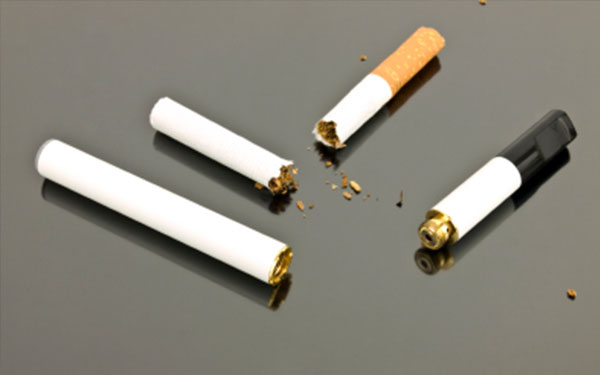
A few years ago, they were rarely seen in the wild. Now you can find them next to the Blow Pops in gas stations. They’re E-cigarettes, and they got popular fast. Researchers are scrambling to determine the health impact of these gizmos, which emit vapor laced with chemicals—including nicotine—when users inhale.

Can E-cigarettes help you kick butts?

The pencil-sized machines are marketed as a convenient alternative to lighting up—and as a tool to help folks quit tobacco. With the Great American Smokeout on November 20, if you’re a smoker, you might be eager to join the 88 percent of college students who have not smoked in the last month. Can E-cigarettes really help you kick the butts?

Mixed findings

Few studies have addressed the question, and findings are mixed. But we do know that nicotine—which E-cigarettes deliver in varying doses—is bad. The drug can contribute to heart disease, cause complications during pregnancy, and act as a “tumor promoter,” the World Health Organization wrote in July.

Nicotine also has the potential to harm brain development among young people. That includes—please cancel your trip to Denial—college students.

Still, E-cigarettes are far less abrasive to your lungs than plumes of cigarette smoke, so they may be significantly less harmful. But we’re not sure.

In any event, “vapers” must be wary of nicotine overdose, which can result in bad things like vomiting, confusion, and seizures, according tothe US National Library of Medicine. (Users should keep E-cigs away from young children, who–being teeny-tiny–can overdose more easily.)

Bottom line

Bottom line, as we await more research: We should consider E-cigs a cousin of a pack of cigarettes. Stick to those Blow Pops.

Read More
  • 1
  • 2
  • 3

Subscribe for updates

Loading...

What you need to know about Coronavirus

Self Care Guide

info@campuswell.com

(508) 836-9550

Facebook-f Instagram Twitter Youtube
Home
8 dimensions of wellness
Content platform
Promotional Services
Measuring results
Case studies
About us
Our content
Blog
Contact

Terms of use

Privacy policy

Accessibility

National Suicide Prevention Lifeline
800.273.TALK


National Sexual Assault Hotline
800.656.HOPE


National Institute on Alcohol
Abuse and Alcoholism

ÂĐ 2025 CampusWell

BACK TO TOP